
Most people learn their healthcare approach from their earliest years because they receive training to follow a strict linear path. One experiences a problem, visits a physician, gets a prescription, and leaves it at that. However, for millions of others who suffer from any number of chronic conditions, recurring pain, imbalances within their bodies, and even certain diseases caused by lifestyle factors, the linear approach fails miserably. Symptoms persist, patterns remain unaltered, and one’s body never fully heals.
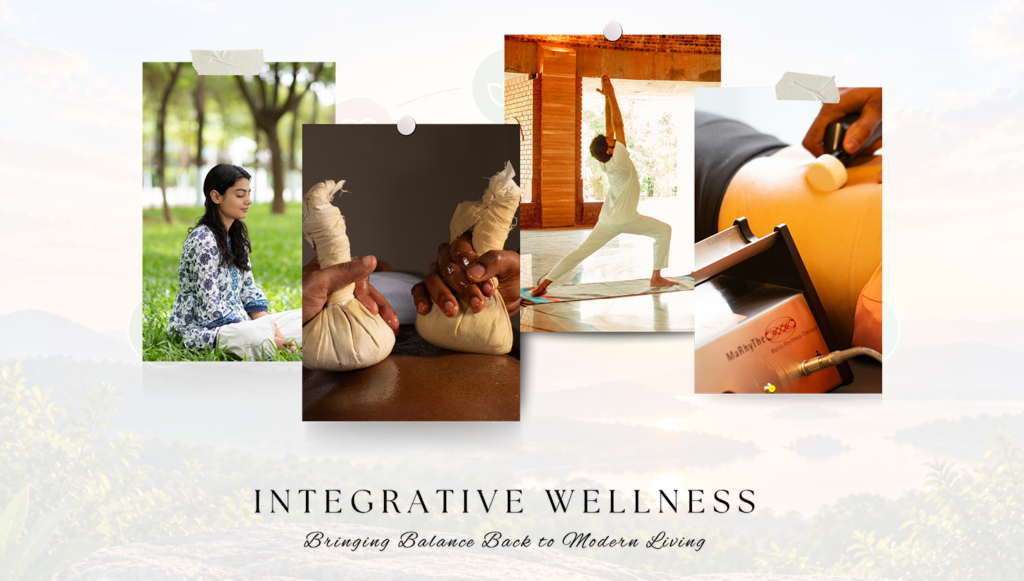
Integrative wellness centres seek to bridge that gap between what individuals expect of traditional health care and what actually works when trying to solve complex issues within an individual’s physiology. Instead of focusing on the treatment of a singular symptom or problem, the treatments utilised by integrative medicine look to integrate multiple healing disciplines and modalities to tackle the core issues. In the case of a country like India, where multiple traditional healing practices have been practised for decades alongside Western medical knowledge, integrative medicine is nothing new.
What Is an Integrative Wellness Center?
An integrated wellness centre operates as a health facility which combines multiple medical treatment methods within a single location. The healthcare system establishes a complete system which addresses all elements of human well-being through its three core components of physical health, mental health and spiritual health. Unlike traditional facilities that focus on only one treatment method, integrated centers create a personal plan of action depending on what types of therapy will be suitable in this particular case.
For instance, when coming to the centre due to chronic back pain, a client can receive various forms of treatment. For example, he/she will get Ayurveda therapy for inflammatory processes; physiotherapy for restoring his/her body’s function; naturopathy-based dietary plans; and meditative procedures for addressing stressful patterns causing his/her problems. Each therapy will not be able to help on its own. Only their combined effect will bring a desired result.
The most important term that defines integrative medicine is coordination. They do not merely provide treatment centers where one can choose from various therapies that are not connected to each other. The best integrative wellness centers create a holistic approach to their clients’ well-being, choosing the right therapies to work together, and coordinating among themselves to achieve optimal health goals.
How Does Ayurveda Work as a Foundation for Healing?
Ayurveda is an ancient system of medicine which has its origins in India and dates back to a period of 5000 years ago. The Ayurvedic system defines health as the existence of equilibrium between three fundamental energy forces, which regulate human bodily functions: Vata, Pitta and Kapha. When these forces go out of balance due to poor nutrition, stressful lifestyle, change of seasons or emotional patterns, illness ensues.
The process of treatment in Ayurveda does not start with diagnosing diseases. Instead, it starts with understanding the constitution of the body and its specific imbalance. Then, the treatment is formulated using internal and external remedies to help restore balance to the body.
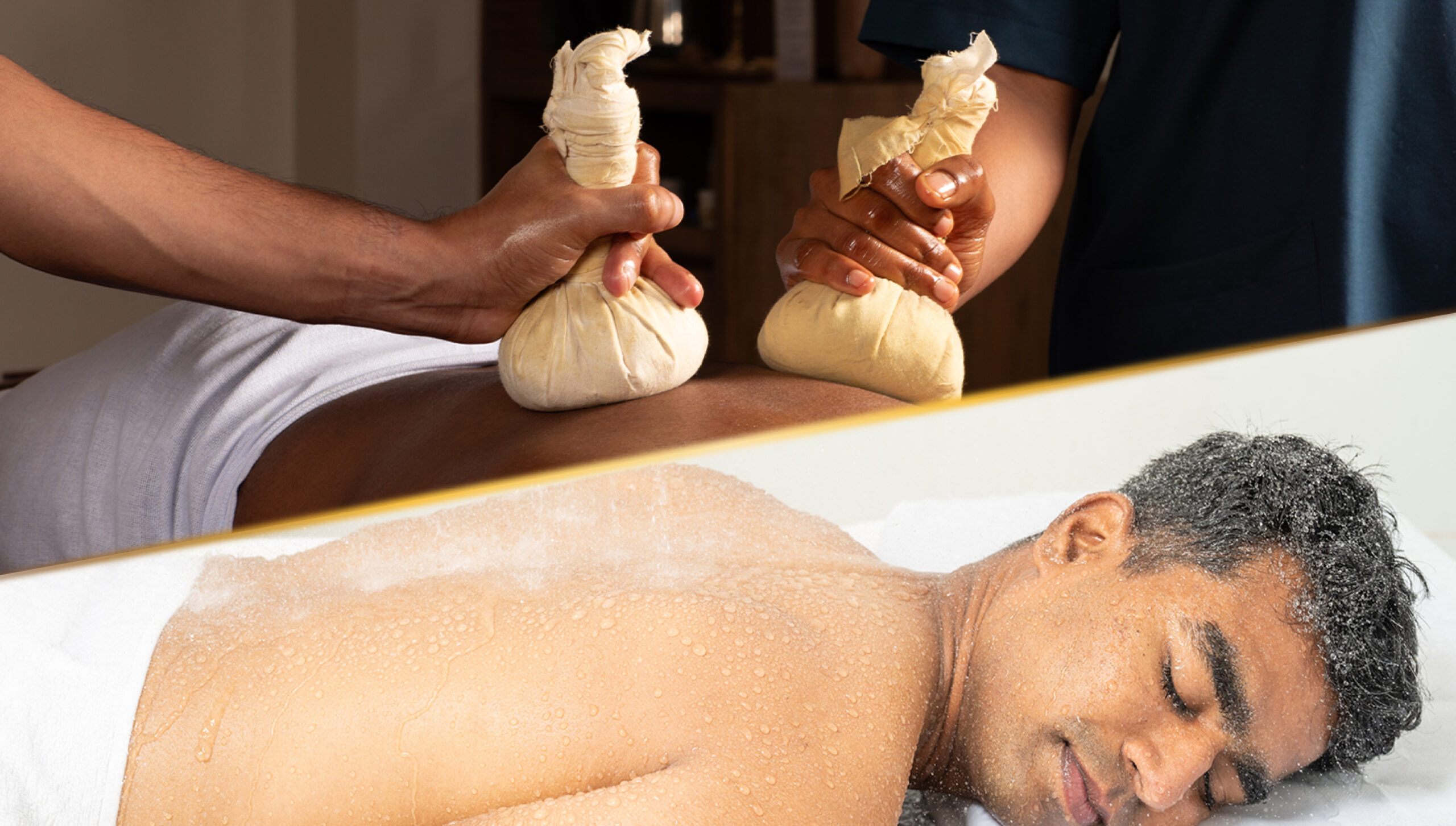
Amongst these, Panchakarma is the most thorough approach and is the backbone of Ayurvedic medicine. Panchakarma is a cleansing technique in which the accumulated toxins (ama) within the bodily tissues are cleared through the use of a series of preparation techniques, detoxification treatments, and subsequent rejuvenation treatments. Since Panchakarma works at the cellular level, this technique works very well when applied to chronic ailments.
Ayurvedic medicine includes herbal formulations, proper diet, application of oils, and suggestions for leading a good lifestyle, and all of these depend on the individual’s prakriti. It is due to such customisation that this form of treatment enjoys its supremacy among other treatments.
How Does Naturopathy Complement Ayurveda?
Naturopathic medicine functions as a practice which rests upon the principle that human bodies possess natural abilities to heal themselves when they receive appropriate environmental conditions. Naturopathy aims to discover what prevents the body from healing itself, while it uses natural remedies, different dietary methods, hydrotherapy, herbal treatments, fasting, clay applications and changes to daily routines to achieve healing.
Despite arising from distinct cultural backgrounds, the philosophies of Ayurveda and naturopathy are strikingly similar. Both medical approaches repudiate the notion that diseases can be addressed by correcting some form of physical deficiency through chemical means. Instead, both medical philosophies regard wellness as a dynamic equilibrium that requires continuous maintenance. Furthermore, both philosophies advocate preventative medicine along with healing practices.
The benefits that occur due to the amalgamation of Ayurveda and naturopathy are certainly not coincidental. The methods that are used in naturopathy, such as hydrotherapy, nutritional change, and clay therapy, will perfectly prepare the body for any kind of Ayurvedic process, such as Panchakarma or anything else related to Ayurveda. Furthermore, Ayurvedic knowledge about the constitution of an individual will aid Naturopaths in customising their advice according to their patient’s constitution and health issues.
The Ayurvedic doctor diagnosed the patient’s high blood pressure condition as a Pitta imbalance, which developed from stress and poor digestion. The doctor suggested herbal treatments and dietary changes, together with Shirodhara therapy, to help the patient achieve nervous system relaxation. Naturopathic treatment involves hydrotherapy systems, which enhance blood circulation, and a special dietary program which removes foods that cause health problems. Naturopaths help patients by providing them with information about their daily activities. The combined effect shows greater completeness because the two systems together create results which exceed what each system could accomplish by itself.
What Conditions Can Be Treated at an Integrative Wellness Center?
One of the most crucial aspects that should be noted when considering holistic healing centers in India is that their scope does not only pertain to wellness or relaxation. If there are qualified doctors and skilled therapists who follow a true integrative protocol within such a center, then many more ailments could benefit from the services offered there.
Ailments related to metabolism and lifestyle, such as diabetes, hypertension, obesity, and hyperthyroidism, would greatly benefit from this type of treatment, as these ailments are inherently ailments of imbalance caused by lifestyle and would need a lifestyle intervention to treat.
Chronic conditions such as back pain, knee pain, spondylosis, and arthritis can be effectively treated using a combination of Ayurvedic anti-inflammatory techniques, physiotherapy that helps rehabilitate the affected structure, and naturopathic dieting to help eliminate body inflammation. People suffering from chronic pain for many years find themselves benefiting from this combined therapy.
Nervous system diseases such as migraines, paralysis rehabilitation, and nerve problems caused by stress can all be managed using Ayurvedic techniques that improve the health of the brain and the nervous system, as well as naturopathy and physiotherapy.
Disease states specific to organs such as the liver, kidney, and lungs may be aided by Ayurvedic detoxification therapies and Naturopathy methods that alleviate stress from these organs.
Conditions related to women’s health, such as those involving hormones and menstruation, can trace back to issues of doshas and lifestyle, meaning that an integrative natural healing process is highly applicable to treat these states.
Skin disorders, which have always been known by Ayurvedic medicine to indicate something deeper going on inside the body, respond well to both topical treatments and cleansing of the body via Panchakarma.
Is Integrative Medicine Safe Compared to Conventional Treatments?
This is a question which merits an honest answer. Naturopathic treatment is typically gentler on the body than conventional treatments. This is especially true in cases where the therapy is performed by professionals who know the pros and cons of the treatments they are giving. For example, Panchakarma treatments in Ayurvedic medicine are personalised procedures. They are not general detox regimens. Before embarking on a course of Panchakarma treatments, a professional Ayurvedic doctor evaluates a patient’s constitution and condition before devising the appropriate treatment regimen.
The naturopathic therapies, such as diet change, hydrotherapy, and herbs, are also relatively safe when administered under expert supervision. This is not the same risk profile as drug therapy, which often comes with serious side effects, especially when used for prolonged periods.
The key point here is that integrative doesn’t equate to always substituting traditional medical treatments. For emergencies, physical injury, or any conditions that require close drug monitoring, traditional medicine has to be administered. In integrative medicine, the ideal method is combining it with modern medicine in order to treat chronic diseases and lifestyle disorders, as well as rehabilitation, which requires herbal treatments that might produce effects not possible through medication alone.
Under proper conditions, a patient will be diagnosed correctly, and the limitations of this form of treatment will be discussed by practitioners.
What Are the Long-Term Benefits of Combining Ayurveda and Naturopathy?
The primary benefit from such a holistic healing technique is that it deals with the root cause of the problem rather than its manifestations. In most cases, traditional therapies for chronic diseases are preventive methods where patients undergo treatment for the expression of their illnesses, but do not deal with the actual causative factor. In an integrative medical practice, when performed correctly, it attempts to alter these patterns.
It follows that patients who participate in this holistic therapy method not only heal from their respective disorders but also transform in many other ways, such as improved energy levels, digestion, sleep patterns, focus, and mood stability. These are all secondary benefits to the primary effect, which involves returning the person’s physiology to its balanced state rather than suppressing its problems.
Another important long-term advantage of integrative medicine is its educational aspect. Not only does proper integrative medicine aid in understanding the nature and weakness of one’s body, but it also provides information regarding the diet and lifestyle that may be helpful or harmful to one’s health. Through such knowledge, individuals are capable of making the correct choices in life without falling into an imbalance that results in disease.
Begin Your Healing Journey at Wellness by Heartfulness
Wellness by Heartfulness has been an advocate of integrative medicine for decades now, long before it became a popular term, because we believe that any form of real treatment cannot be confined to just one kind of method or system. Located on the serene premises of Kanha Shanti Vanam in Telangana, we provide a blend of highly experienced doctors specialising in Ayurveda, Naturopathy, Physiotherapy, and over 100 therapists who collectively tailor a unique wellness plan for you. Having served over 60,000 individuals who have placed their trust in us, along with various wellness programs lasting from 2 nights to 28 nights, we can accommodate any point you might be on in your quest towards wellness, whether you are new to the concept or want to make a drastic change. Learn more about our programs via info.wellnessbyheartfulness.com or contact us directly at +91 72920 67993.
Conclusion
The integrative wellness center functions as a complete medical facility which operates without choosing between traditional practices and contemporary methods or between scientific research and natural processes. The organisation exists because true healing requires a holistic perspective that understands how disease patterns interact with human body functions to create self-healing potential. The combination of Ayurveda and Naturopathy, which shares fundamental philosophical beliefs but offers distinct treatment methods, represents the most significant example of this holistic approach. The specific holistic medicine, which lies outside conventional symptomatic treatment methods, is what can help those suffering from chronic diseases, lifestyle diseases, and diseases caused by stress in modern-day life to recover.
FAQ’s
What is an integrative wellness center and how does it work?
The integrated wellness center uses a variety of approaches to healing that include but are not limited to Ayurveda, Naturopathy and Physiotherapy, among others. The specialists from different branches work together to address the underlying problems which cause specific health issues instead of solving problems one by one.
How do Ayurveda and naturopathy complement each other in treatment?
There is only one common principle between these two treatment methods, which is “patients should be treated as a whole while their body is given a chance to get back to its normal state.” The treatment techniques used in naturopathy, like hydrotherapy and changes in diet, make up the basis of Ayurveda.
What conditions can be treated at an integrative wellness center?
The integrative wellness center provides medical treatment for patients who have diabetes, hypertension, backache, knee joint pain, spondylosis, headache, thyroid disorders, gynaecologic disorders, liver/kidney disorders, skin disorders, and neurologic disorders. The wellness center medical staff decides which health conditions require integrative treatment through their professional judgment.
Is integrative medicine safe compared to conventional treatments?
Natural remedies which qualified practitioners provide result in fewer health risks compared to the extended usage of pharmaceutical medications. The proper use of integrative medicine should serve as a substitute for traditional medical practices in treating chronic health conditions which stem from lifestyle choices and rehabilitation requirements. The authentic integrative wellness centre will provide transparent information about its treatment boundaries to all its clients.
What are the benefits of combining Ayurveda and naturopathy for long-term health?
The main advantage of extended health benefits comes from treating root causes instead of managing surface symptoms, which leads to actual treatment results. The extra advantages include better energy levels, improved digestion, better sleep, and enhanced mental focus and stronger emotional resilience, together with a personalised understanding of one’s body type, which helps people make healthier choices throughout their lives.