
Overview
Joint pain can slowly become part of your everyday life. Maybe your knees hurt when you climb stairs. Maybe getting up after sitting for a while feels uncomfortable. Sometimes there is stiffness in the morning, while for some people the pain gets worse after walking or doing too much physical work.
There can be different reasons behind joint pain, including age, previous injuries, extra strain on the joints, lack of movement, or conditions such as arthritis. So, joint pain treatment is not always the same for everyone. It is better to understand what is causing the discomfort before deciding what kind of care may help.
Common Signs of Joint Pain
Knee and joint problems can feel different from person to person. You may notice things like:
- Pain while walking or standing for long periods
- Stiffness after waking up or sitting for a long time
- Difficulty climbing stairs
- Mild swelling or tenderness around the joint
- Trouble bending or straightening the knee
- Pain that comes back after physical activity
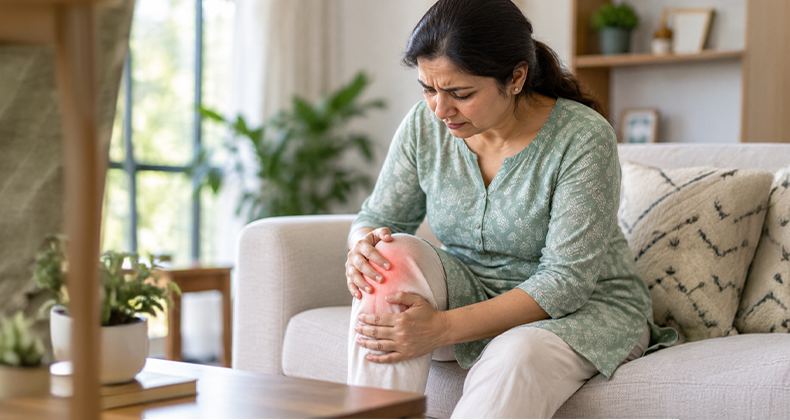

When the problem is mainly around the knees, knee joint pain treatment can be planned according to your symptoms, routine, age, and overall health.
Our Approach to Joint Pain
Before starting treatment, it is useful to understand how long you have had the pain and what makes it better or worse. Your activity level, food habits, weight, previous injuries, and general health can also matter.
Depending on your condition, Ayurvedic care may include
- Gentle oil therapies
- Ayurvedic therapies selected after assessment
- Herbal preparations when suitable
- Simple exercises and movement guidance
- Diet and lifestyle suggestions

Many people specifically look for knee pain treatment without surgery because they want to try conservative options before considering an operation. In some cases, this may be possible, but it really depends on the cause and severity of the knee problem. A proper medical assessment should come first.
For those interested in knee pain treatment in Ayurveda, personalised therapies may be used to support movement and manage stiffness or discomfort. The treatment is generally chosen based on the individual rather than using the same remedy for everyone.
If you are looking for a natural treatment for joint pain, small changes in your daily routine can also make a difference. Staying active with suitable low-impact exercises, maintaining a healthy weight, taking breaks from long periods of sitting, and avoiding activities that put too much pressure on painful joints can all be helpful.
If you are specifically searching for knee joint pain treatment in Hyderabad, it is worth choosing a centre where your condition can be properly assessed instead of simply choosing a treatment based on the symptoms you read online.
What You May Gain From Supportive Care
With the right approach, you may be able to:
- Manage everyday joint discomfort better
- Reduce stiffness and support easier movement
- Stay more active without putting unnecessary strain on the joints
- Improve flexibility with suitable exercises
- Build simple habits that support long-term joint health

Ayurvedic care can be used as supportive care, but it should not replace necessary medical treatment. If the pain is severe, sudden, or continues for a long time, getting it checked by a doctor is important.
Frequently Asked Question
1. Can Ayurveda help with joint pain?
It may help some people manage stiffness and discomfort as part of a personalised care plan. The right approach depends on the cause of the pain.
2. Can knee pain be treated without surgery?
Some knee conditions can be managed without surgery, but this is not true for every case. It depends on what is causing the problem and how advanced it is.
3. Is Ayurveda suitable for knee pain?
Ayurvedic therapies may be considered as supportive care for certain types of knee discomfort. An assessment is recommended before starting treatment.
4. When should I see a doctor for joint pain?
If your pain is severe, follows an injury, causes swelling, limits your movement, or does not improve with basic care, it is better to speak with a doctor.