
India finds itself in a rare situation when considering health care. The first side of this dichotomy can be characterised by a rather advanced model of healthcare, which includes sophisticated means to deal with acute ailments and surgical and pharmaceutical treatment. The second aspect pertains to the rich legacy of medical traditions accumulated over the course of centuries, within which the body, soul, and mind were perceived as one entity. Until recently, this world was isolated from the world of science-based medicine. This is now changing, and not just for show. In India, integrative wellness can be seen as a real breakthrough in the sphere of health care. Integrative wellness in India comes from the realisation of the inability of modern medicine to prevent diseases while being efficient enough to treat them, and that traditional systems offer tools for prevention that have no equivalent in the pharmaceutical repertoire.
The Preventive Gap in Modern Healthcare
The prevalence of non-communicable diseases in India has indeed reached a point where there needs to be a different approach towards addressing them within the healthcare system. Conditions such as diabetes, hypertension, heart disease, thyroid disorders, obesity, and diseases caused by stress are now a major share of the burden in both urban and rural areas. What makes these diseases distinct is that they do not just happen overnight, but take shape due to several factors.
The power of modern medicine comes from its capabilities after the line is crossed. However, the problem here is that the system is built in such a way that it reacts only to existing diseases, without paying attention to prevention. Health screening programs usually search for disease symptoms; they are not aimed at predicting the onset of a disease. Preventive healthcare through Ayurveda and naturopathy is built completely differently because they operate much faster, starting not with the moment of diagnosis but at the moment when deviations appear.
What Integrative Wellness Actually Means
Integrative wellness can be a casual concept, which means nothing more than providing yoga with regular therapy. On the contrary, integrative medicine demands a lot more. It demands an integration of evidence-based regular therapies and the healing principles of the traditional healing system, which would then be employed in a coherent manner based on the needs, background, and body type of the individual in question. This does not seek to substitute one for the other; instead, it integrates the best of both worlds.
This simply implies that integrative medical treatment takes care of the patient physically, mentally, emotionally and spiritually at the same time. In a scenario where someone presents symptoms of chronic fatigue, then the person may go through tests such as blood work, thyroid testing, Ayurvedic analysis, dietary analysis from a naturopathic viewpoint, and even physiotherapy analysis. The benefits of integrative medicine in India in this situation are real; they make all the difference between one point and a whole picture.
How Ayurveda Anchors Preventive Health
Perhaps the most significant and yet least appreciated aspect of Ayurveda’s contribution to preventive healthcare involves its approach towards Swasthavritta, which means the preservation of good health among people who have no disease yet. Ayurvedic literature discusses these practices extensively, wherein Dinacharya denotes a daily regimen, and Ritucharya is about seasonal activities that harmonise personal behaviour with natural rhythms to avoid imbalances.
Ayurveda’s support for preventive health is based on the idea of prakriti – the constitution of each person established at the time of birth. Awareness of the specific constitution provides an opportunity to receive completely personalised instructions concerning the appropriate diet, rest, exercise regime, stress management, and adaptation to seasons. Even two people having similar blood profiles can possess very different constitutions, and thus require completely different preventive measures. Ayurveda accounts for that individuality in ways that population-level health guidelines cannot.
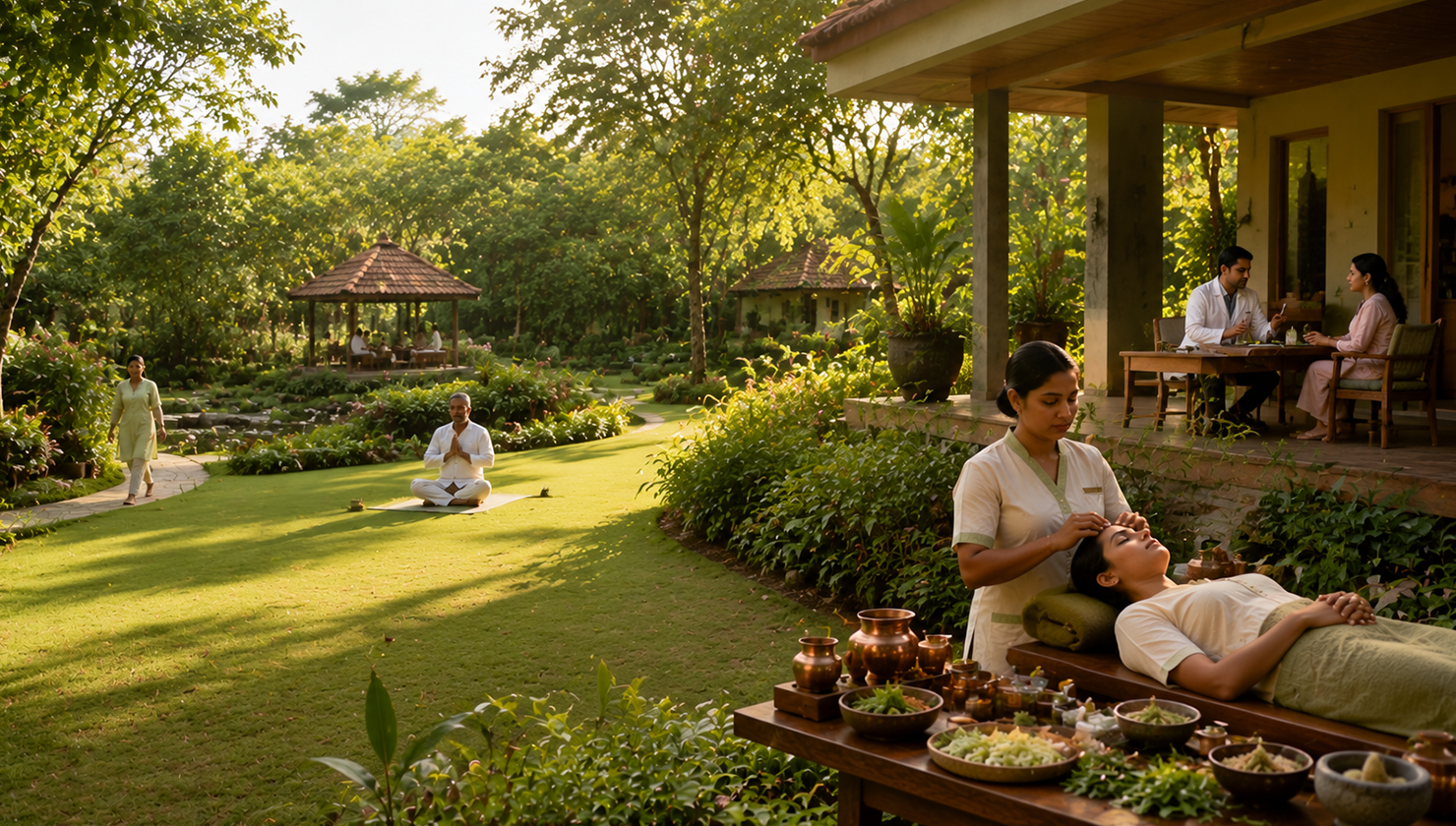
The traditional Ayurvedic process of detoxification and rejuvenation, called panchakarma, is becoming more understood as a process with preventative benefits. When done consistently, panchakarma helps remove Ama, which is the accumulated waste substance in the body according to Ayurveda, before any diseases can take shape. People who have done panchakarma when their health condition is good have reported lasting effects such as increased energy, improved quality of sleep, better digestion, and mental alertness.
Naturopathy’s Role in Building Long-Term Resilience
While Ayurveda offers a deep approach of constitutionality with classical healing traditions, naturopathy offers an approach in the realm of lifestyle medicine based on systems theory, which is highly suited to today’s health literacy. The fundamental principle of naturopathy, according to which the body possesses an inherent ability for self-healing that can be nurtured with the help of nature, is in harmony with contemporary understanding of chronic diseases and their prevention.
Natural preventive healthcare solutions within the naturopathic framework address the actual causes which make the patient susceptible to developing chronic illnesses due to such factors as unhealthy diets, physical inactivity, chronic stress, poor sleep quality and the overall burden of toxins from the environment and diet. Hydrotherapy boosts the circulation and promotes lymphatic drainage. Nutritional therapy helps to restore any deficiencies which cause many chronic illnesses even before symptoms arise. Herbal medicine ensures the proper functioning of organs and helps cope with stress. Fasting can also be prescribed to restore the normal digestive processes. Together, these tools create a foundation of physiological resilience that makes the body considerably less hospitable to disease.
Why India Is Particularly Well Placed for This Shift
India’s relationship with integrative wellness is not one of adoption but of return. The knowledge systems on which integrative wellness draws, Ayurveda, Yoga, Naturopathy and Siddha, were developed on this soil over millennia and remain embedded in the cultural memory of most Indian families, even those who have drifted toward purely modern healthcare in recent generations. The government’s recognition of AYUSH systems and the growing institutional investment in research validating traditional therapies has created policy support for what public demand has been signalling for years.
The future of holistic health in India is also evolving due to another change that is occurring within the country, which is that of a generational shift in terms of health consciousness. Today’s young, educated populations living in urban areas are shifting from managing health problems to proactively investing in good health. This involves learning about gut health, monitoring sleep patterns, practising meditation, and finding healthcare professionals who are willing to consider this whole approach to health. Integrative wellness centres that can meet this demand with genuine clinical depth rather than wellness tourism aesthetics are positioned at the leading edge of a significant structural change in Indian healthcare.
Is Integrative Medicine Gaining Traction in India?
The evidence suggests it is, and at pace. Post-pandemic times brought to life an existing trend where people, having been disillusioned with the limitations of reactive medicine, started to focus on improving their general state of well-being. Wellness centres, clinics for integrative medicine, and Ayurvedic hospitals have experienced growth in the number of both domestic and foreign patients over time. Yoga and stress management, along with other components of holistic medicine, are being incorporated into the corporate health programs offered by companies as part of standard medical check-ups. Medical travel focused on Ayurveda is on the rise, as India hosts foreigners looking for therapies unavailable at home.
At Wellness by Heartfulness, we are part of this shift and deeply committed to it. Set within the serene surroundings of Kanha Shanti Vanam in Chegur, Telangana, we bring together Ayurveda, Naturopathy, Physiotherapy, Homeopathy, Quantum Healing and Shingi Therapy under one roof, guided by a team of 10+ expert doctors and 100+ trained therapists. Our comprehensive wellness packages, which can last from just a couple of nights for newcomers to a more extensive period of 28 days, are intended to help people deal with any health issues they might be facing, as well as the root causes which contribute to their having chronic diseases. The philosophy on which our centre operates is based on prevention and personalisation of treatment.
Conclusion
Integrative wellness in India is not a trend. This is a reaction to the insufficiency of reactive healthcare in dealing with a disease pandemic that can be addressed through lifestyle and preventive measures. The integrative approach of using the depth of Ayurvedic medicine, systems-based reasoning of naturopathy, along with evidence-based conventional medical care, makes integrative medicine a perfect solution for holistic health in India. It has all the elements in the form of tradition, knowledge and public desire to make this transition. What is lacking is an institution and people who will practice it with professional dedication. That is precisely what the best integrative wellness centres in India are beginning to do.
Frequently Asked Questions
What is integrative wellness in healthcare?
The integrative approach to wellness involves an overall health system wherein evidence-based Western medicine is blended with traditional medicine therapies like Ayurveda and physiotherapy. It does not necessarily mean replacing one form of therapy with the other, but instead incorporates the best techniques from both fields and applies them in light of the full health needs of the person.
Why is preventive healthcare important today?
There is an increasing prevalence of non-communicable illnesses, which emerge over time because of lifestyle choices, diet, and stress. The preventive approach of healthcare takes care of all such contributing factors before a clinical illness is acquired, thus helping reduce expenses incurred on healthcare and improve quality of life.
How does Ayurveda support preventive health?
Prevention is possible in Ayurveda by virtue of its system of daily and seasonal regimen, as well as through constitution determination and detoxification procedures using Panchakarma. Ayurveda diagnoses individual weakness and offers personalised recommendations for food and lifestyle habits to prevent disequilibrium before turning into disease.
What are the benefits of holistic wellness approaches?
Wellness programs address the root cause of health issues, rather than just treating their symptoms individually. Positive effects can be felt through increased energy levels, quality sleep, enhanced immunity, lower risks of developing any diseases, increased clarity of mind, and a more positive attitude towards maintaining overall good health.
Is integrative medicine gaining popularity in India?
Indeed, significantly. Increasing awareness of one’s health in the wake of the pandemic, growing disenchantment with the purely reactive model of medicine, governmental backing of AYUSH therapies, and the rise of a generation that is interested in investing in their future wellness have all been contributing factors.