
Across India and far beyond, there is increasing awareness of the fact that the body collects more than it can actually process. In addition to stress, improper diet, and pollution, the fast pace of life and the lack of sleep result in metabolic deposits that ultimately sap energy from the system, weaken immunity, and set the foundation for illnesses. Western medicine has an understanding of this concept but very little to offer by way of solving the problem. Ayurvedic medicine has known how to address the issue effectively for thousands of years. The solution lies in the Panchakarma treatment in India available today and its relevance to contemporary health challenges has never been more apparent.
What Panchakarma Actually Is
Five Actions is the literal meaning of Panchakarma, which is the name given to the five treatments that are effective for the elimination of toxins called Ama, from deep within our body through natural ways. These five treatments include Vamana (induced vomiting therapy), Virechana (induced purging therapy), Basti (enema therapy), Nasya (administering medicine through the nose) and Raktamoksha (blood-letting, which rarely comes into use now). The present Ayurvedic practices do not involve all five procedures for each individual, but they depend upon the patient’s body type and requirements prescribed by the Ayurvedic practitioner.
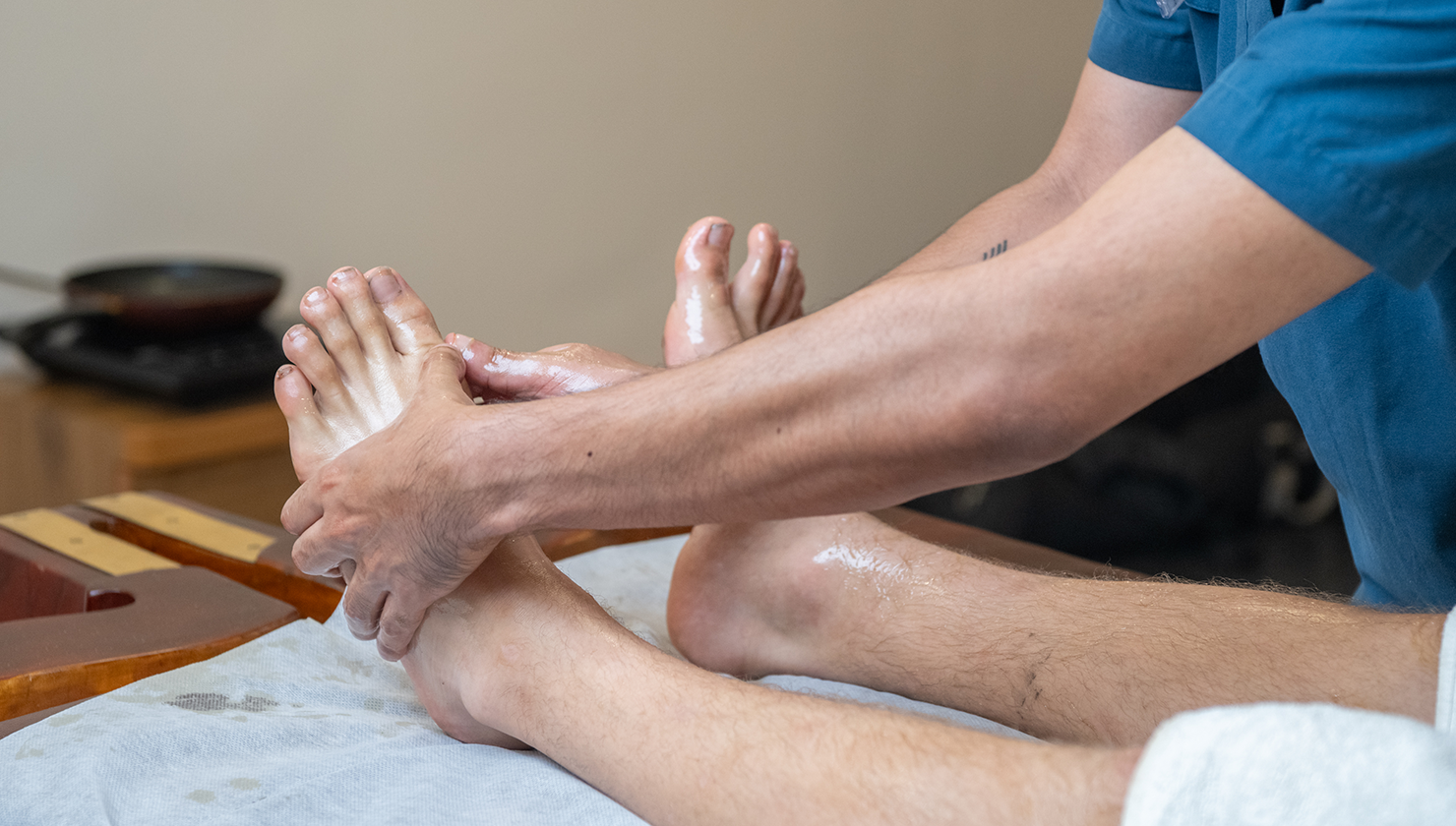
What sets Panchakarma apart from other detoxification methods is that the process requires thorough preparation and recovery periods following treatment. An Ayurvedic detox through Panchakarma therapy does not happen through one step but rather a three-step treatment. The first step, which is purvakarma, involves the loosening of Ama from the tissues to facilitate movement into the bowels, where it can be eliminated using internal oleation with ghee and external oleation with Abhyanga massage and swedana or therapeutic sweating. After all preparations have been made, the next step is performed. Finally, paschatkarma requires a gradual reintroduction into a healthy lifestyle and proper diet through herbal medicines to consolidate the benefits achieved and prevent the rapid re-accumulation of toxins.
How Panchakarma Works as a Detoxification System
The idea of Ama in Ayurveda must be highlighted, especially in connection with the reasons behind the unique nature of Ayurvedic cleansing therapies for immunity. Unlike many other concepts in Ayurveda, the term Ama does not represent any metaphorical meaning. On the contrary, it is a purely physiological notion denoting the undigested leftovers resulting from weakened digestive fire, or Agni. As long as Agni remains healthy and balanced, all digestion processes occur properly and without any disruptions: food is assimilated effectively, and waste products are easily excreted. In the case when Agni becomes impaired, the leftovers begin to accumulate within the body, obstructing circulation, disrupting organ function and eventually creating the conditions in which disease takes root.
Contemporary biomedical science has started uncovering some biological correlates for the above principle, including chronic inflammation, gut microbiome dysfunction, and toxin accumulation in fat tissue. Though approaches vary, the basic understanding is quite similar: the body’s ability to handle and detoxify from the burden of metabolism and environment plays a pivotal role in health. This is exactly what panchakarma is intended to achieve. Thus, Virechana eliminates accumulated Pitta and toxic material from the liver and small intestine, while Basti, which is considered the most important of the five treatments, acts on the colon and helps nourish the nervous system, balance Vata dosha, and restore the gut microbiome. Another technique, Nasya, works on the cranial passages and improves neurological and sensory functions. Each procedure addresses a different tissue layer and organ system, creating a comprehensive internal reset.
Panchakarma and Disease Prevention
The preventive side of Panchakarma might well be seen as the most important aspect, and perhaps the least mentioned. According to the theory of Ayurveda about disease development, the transformation from wellness to disease goes through several levels until signs of an ailment appear. These levels include the formation and accumulation of doshas, impairment of digestion and the accumulation of Ama. While these symptoms can be hard to recognise by ordinary methods of diagnosis, they are quite identifiable to a professional Ayurveda specialist. Panchakarma for disease prevention is most powerful exactly in these initial stages of disease formation, where the preventative action of Panchakarma works best.
Regular Panchakarma, performed either yearly or biyearly depending upon the physical makeup and current condition of the body, helps remove the accumulated weight before any damage to the tissues takes place. It is especially important for people who have a predisposition in their families towards diseases such as diabetes, heart disease, and even autoimmune disorders. Through keeping the channels clear, having good digestion, and balancing doshas, regular detoxification will make a person’s body one which is actually immune to chronic illness. This is not an assertion made without evidence. Physicians practising Ayurveda for many years have found that people who regularly take Panchakarma stay healthier than those who do not.
The benefits of Panchakarma on the immune system are also clinically significant. According to Ayurvedic belief, Ojas, which is the pure essence of correctly digested tissue, is the foundation of immune health and vitality. If Ama is accumulated in the body and digestion is not happening efficiently, Ojas is diminished. In this way, Panchakarma helps in the creation and conservation of Ojas. The patients who complete a Panchakarma regimen often find that their energy levels, sleep, skin health, mental focus, and immunity against common infections improve. These are indications that the individual’s basic vital force has been restored through this process.
Who Should Consider Panchakarma
One of the biggest misconceptions regarding Panchakarma is that it is meant exclusively for sick people. In the traditional practice of Ayurveda, Panchakarma was used primarily as an instrument for maintaining health among healthy individuals on a seasonal basis as part of a holistic approach to ensuring good health over the years. It was especially recommended during the junction between seasons, such as the period between summer and monsoon and monsoon and autumn, because the passages in the body were more open during these times.
Those dealing with chronic conditions including digestive disorders, skin diseases, joint problems, respiratory conditions, hormonal imbalances, neurological concerns and lifestyle-related disease will typically find Panchakarma a valuable component of their treatment plan, to be conducted under close medical supervision with protocols adapted to their specific health picture. Those in good health seeking to maintain vitality, manage stress and build long-term disease resistance are equally appropriate candidates. The deciding factor is not the incidence of illness but the state of the person’s Prakriti and dosha balance, along with the advice of an expert Ayurvedic doctor after assessing the patient properly.
The best Panchakarma centres in India are those which do the above thoroughly and then customise the therapy for each patient, rather than adopting a one-size-fits-all approach without taking variations into account. The effectiveness of a particular Panchakarma therapy depends on how well the patient is assessed before treatment, and the accuracy of the procedure followed thereafter.
How Often Should Panchakarma Be Undertaken
The frequency of Panchakarma therapy will depend on various aspects such as body constitution, health state, lifestyle, and treatment aims, among others. To begin with, a healthy individual would undertake Panchakarma once or twice yearly at the least, usually coinciding with the transition between seasons. Those suffering from chronic illnesses would need more sessions, especially during the initial stages of recovery. Older patients for whom the process of tissue nutrition is just as important as cleansing will find greater emphasis on the revitalising elements of Panchakarma, especially Basti therapy using nourishing herbal preparations.
What the classical texts are consistent on is that Panchakarma is most effective when it is a sustained practice rather than a single event. The benefits accumulate across multiple programmes conducted over years, each building on the cleansing and restoration achieved in the previous one. This long-term view is characteristic of the Ayurvedic approach to health more broadly, which measures success in decades rather than weeks.
At Wellness by Heartfulness, Panchakarma is at the heart of what we offer. Carried out under the supervision of our expert team of Ayurveda doctors, who have extensive experience spanning over two decades and thirty-nine years in the field respectively, our programs of Panchakarma are customised according to the body type of the individual and their healing goals. Located in Kanha Shanti Vanam, Telangana, amidst beautiful scenery and serene settings that help in healing the body in its truest form, our facilities will provide the perfect environment for your health and well-being journey, whether short-term detox programs or immersive programs up to 28 days.
Conclusion
Panchakarma treatment in India is one of the most thorough and intellectually sound methods of detoxification and preventive medicine in the world. With its focus on removing toxins from the tissues, restoring proper digestion, balancing the doshas, and nourishing the deep immune system, Panchakarma accomplishes more than any supplement or diet ever could. For anyone truly dedicated to health and wellness, it is not a luxury but rather an investment that will pay dividends in full for years to come.
Frequently Asked Questions
What is Panchakarma treatment in Ayurveda?
Panchakarma is the traditional detoxification and rejuvenation technique involving the use of five procedures in Ayurveda for cleansing the accumulated toxins in the body. The process takes place in three stages: preparation, main procedures and aftercare, following the guidelines of an experienced ayurvedic doctor.
How does Panchakarma help in detoxification?
Panchakarma treatment aids in detoxifying the body through mobilising the accumulated Ama from the tissues using pre-panchakarma oiling and sweating treatments, followed by its elimination from the body using traditional methods of elimination involving different body systems like the digestive tract, liver, colon, respiratory passages, and nervous system.
Can Panchakarma prevent diseases?
Yes, when conducted regularly and at the appropriate stages of the disease progression model recognised in Ayurveda. By clearing accumulated toxins before they reach the stage of tissue damage, Panchakarma interrupts the disease process in its early phases and maintains the doshic balance and digestive strength that are the foundation of long-term health.
How often should you undergo Panchakarma therapy?
Healthy individuals typically benefit from one to two Panchakarma programmes annually, ideally at seasonal transitions. Those managing chronic conditions may require more frequent or intensive programmes initially. The appropriate frequency is best determined by a qualified Ayurvedic physician following individual assessment.
Who should consider Panchakarma treatment?
Panchakarma is appropriate both for those managing chronic health conditions and for healthy individuals seeking to maintain vitality and build disease resistance. The primary requirement is a thorough pre-treatment assessment by a qualified Ayurvedic physician to ensure the procedures selected are appropriate for the individual’s constitution and current health status.