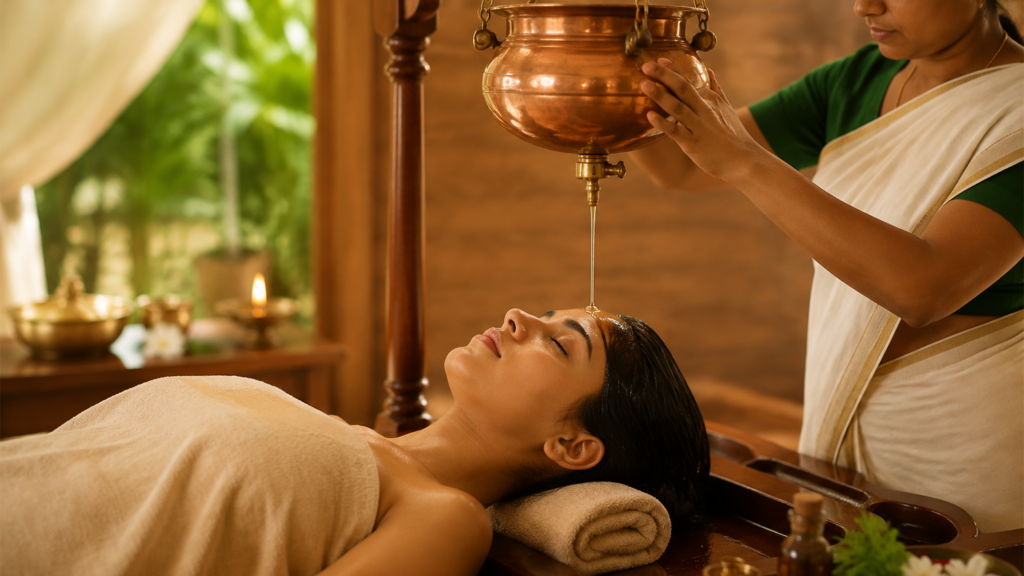

There is a simple idea in Ayurveda that can make treatment feel a little less confusing: not every body works in the same way. Two people may have the same complaint, yet their bodies may respond differently to food, routines, therapies, sleep, stress, and even changes in weather.
This is where Prakriti comes in. It is often described through three doshas – Vata, Pitta, Kapha. Understanding your natural balance can offer a different way of looking at your body. The important part is not putting yourself into a neat box, but understanding what your body tends to need.
What Prakriti Really Means
Prakriti in Ayurveda refers to your natural constitution. It is considered the balance of Vata, Pitta, and Kapha that you are born with. This is different from the temporary changes that may happen because of your lifestyle, diet, stress, age, seasons, or other circumstances.
That distinction matters. Your natural constitution is not something you are expected to keep changing. Instead, it can help explain why a particular routine may suit you while the same routine feels uncomfortable for someone else.
The three doshas are connected with different qualities. Vata is generally associated with movement and qualities such as lightness and dryness. Pitta is linked with heat and transformation. Kapha is connected with stability, structure, and steadiness.
Most people are not simply one thing. Their constitution may have a combination of two doshas, or all three may have a role.
Looking At The Ayurvedic Body Types
The idea of Ayurvedic body types can sound complicated at first, but it becomes easier when you look at patterns rather than individual signs.
Someone with stronger Vata qualities may tend to have a lighter build, variable appetite, quick thoughts, or sensitivity to cold and irregular routines. Pitta tendencies may show up as a stronger appetite, warmth, intensity, and a preference for staying organised. Kapha qualities are often associated with a steadier nature, stronger physical structure, slower digestion, and a preference for routine.
These are broad descriptions, not a test result. Having one of these traits does not automatically mean that a particular dosha is dominant.
This is also why online quizzes can only tell part of the story. A proper assessment looks at several aspects together instead of deciding your constitution from a few questions.
How To Identify Your Prakriti
If you are wondering how to identify your Prakriti, it helps to think beyond how you feel today. Your current state can be affected by poor sleep, stress, a change in diet, illness, travel, or the season.
Instead, consider the patterns that have been present for much longer. Think about your usual appetite, digestion, energy, sleep, body structure, skin, reactions to weather, and general physical and mental tendencies.
An Ayurvedic practitioner may ask detailed questions and observe different aspects of your constitution before suggesting your Prakriti. This is useful because a person may have signs of an imbalance that are different from their underlying constitution.
For example, someone with a naturally steady constitution may temporarily experience restlessness or dryness. That does not necessarily mean their Prakriti has changed.
Why Your Prakriti Can Change The Treatment Plan
This is where the idea becomes practical. How Prakriti affects Ayurvedic treatment is really about personalising the approach rather than using exactly the same plan for everyone.
An Ayurvedic practitioner may consider your constitution while looking at food, daily habits, therapies, exercise, sleep, and other parts of a wellness plan. The same symptom can therefore lead to different recommendations depending on the person’s constitution and present condition.
That does not mean Prakriti determines every treatment choice. The person’s current health, concerns, age, lifestyle, and other factors still matter. It simply gives another layer of information to consider.
At Wellness by Heartfulness, we look at wellness in a broader way, with Ayurveda among the specialised therapies available alongside Naturopathy, Physiotherapy, Homoeopathy consultations, and Therapeutic Yoga.
Prakriti Is Not A Permanent Label
It can be tempting to say, “This is my dosha,” and stop there. But that can make the idea more rigid than it needs to be.
Your Prakriti is considered your underlying constitution, while your present condition can move out of balance. Seasons can influence how you feel. So can food, sleep, work patterns, emotional strain, travel, and everyday habits.
That is why an Ayurvedic assessment should not be treated as a personality label or a fixed diagnosis. It is more useful as a way of understanding patterns and choosing care more thoughtfully.
At Wellness by Heartfulness, personalised wellness can also be supported by a calm setting, therapy rooms designed for specialised care, and customised meal plans for guests following individual wellness or detox programmes.
When Treatment Becomes More Personal
Once your constitution and current concerns are understood together, a treatment plan can feel less like a standard routine. Food choices, therapies, daily practices, and other recommendations can be considered according to what may suit the individual.
At Wellness by Heartfulness at Kanha Shanti Vanam, the experience also includes a peaceful campus, wellness accommodation, wholesome vegetarian meals, and spaces created for relaxation and reflection. The setting is intended to support the wider wellness experience rather than focusing only on one therapy.
The aim is not to chase a particular dosha or constantly monitor every small change. It is simply about understanding the body a little better and making choices that fit.
Bringing It All Together
Vata, Pitta, and Kapha offer one traditional Ayurvedic way of understanding individual differences. Your Prakriti describes your natural constitution, while your present condition can change with everyday life.
Knowing your constitution may help an Ayurvedic practitioner make a more individualised plan instead of treating everyone in exactly the same way. It can also help you understand why certain routines feel more comfortable than others.
The useful question, then, is not simply “Which dosha am I?” It is “What does my body seem to need, and how can that understanding guide appropriate care?”
FAQs
What is Prakriti in Ayurveda?
It is your natural Ayurvedic constitution, understood through the balance of Vata, Pitta, and Kapha present from birth.
How can I identify my Prakriti?
An Ayurvedic practitioner can assess long-term physical and behavioural patterns rather than relying only on temporary symptoms or online quizzes.
Can a person have more than one dosha?
Yes. Many people have a constitution where two doshas are more prominent, while all three can also be involved.
Does Prakriti change over time?
Traditionally, Prakriti is considered your underlying constitution, while temporary imbalances may change because of lifestyle, seasons, and other factors.
Why does Prakriti matter in Ayurveda?
It helps practitioners consider individual differences when planning suitable food, routines, therapies, and broader wellness care.