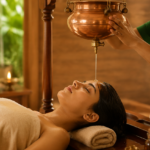

Completing Panchakarma does not necessarily mean returning to your usual routine the very next morning. In traditional Ayurvedic practice, the period after the main therapies is considered an important part of the overall process. The body may need time to gradually return to regular food, activity, work, and exercise.
Good Post Panchakarma care is therefore less about adding more treatments and more about giving the body an easier transition. Food is usually kept simple, activity may be introduced gradually, and adequate rest becomes important. The exact recommendations can vary depending on the Panchakarma therapies performed, your constitution, health status, digestion, and the advice of your Ayurvedic practitioner.
Why the Period After Panchakarma Matters
Panchakarma is a well-organized set of Ayurvedic procedures selected according to individual needs. After these therapies are complete, the digestive system and body should not necessarily be immediately challenged with heavy meals, strenuous exercise, irregular sleep, or an exhausting schedule.
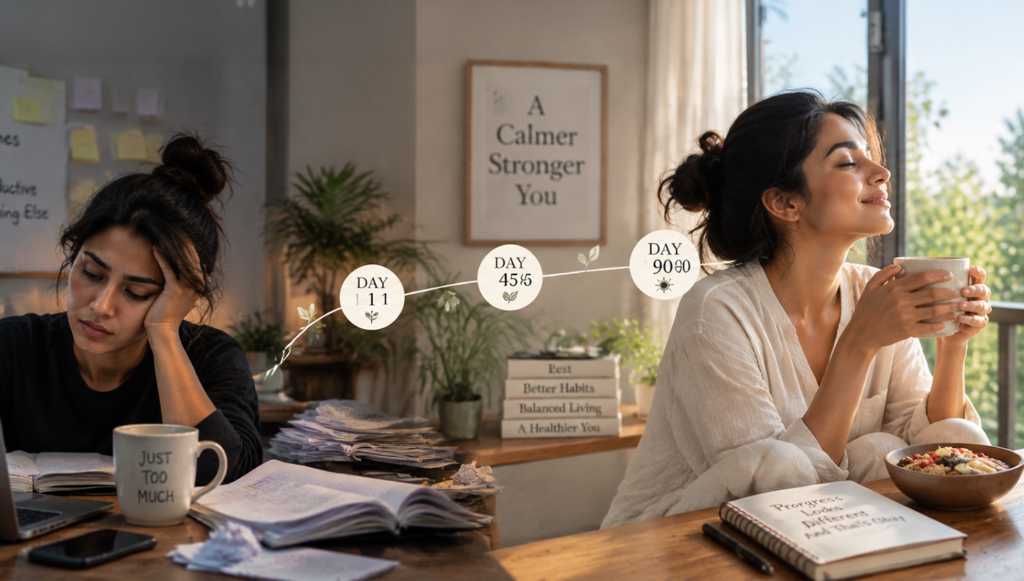
The Panchakarma recovery period is a gradual transition. Imagine it as a gradual return to your normal life, rather than a flip of a switch from a managed wellness program back to your old habits.
Following professional advice during this period can also help you carry useful habits from the programme into everyday life instead of treating Panchakarma as an isolated event.
Start With a Gentle Post-Treatment Diet
Food is an important part of Panchakarma after treatment. Depending on the programme, Ayurvedic practitioners may recommend a gradual dietary progression rather than immediately returning to rich, fried, heavily processed, or difficult-to-digest foods.
In the initial phase, simple, hot, freshly prepared food is often preferred. The exact foods and progression should be based on your digestive ability and your practitioner’s guidance. Portions may be kept moderate also, while normal appetite and digestion are returning to normal.
A Panchakarma post-treatment diet is not intended to be a permanent restrictive diet. The aim is to reintroduce a broader range of foods appropriately while paying attention to how the body responds.
Give Your Body Enough Rest
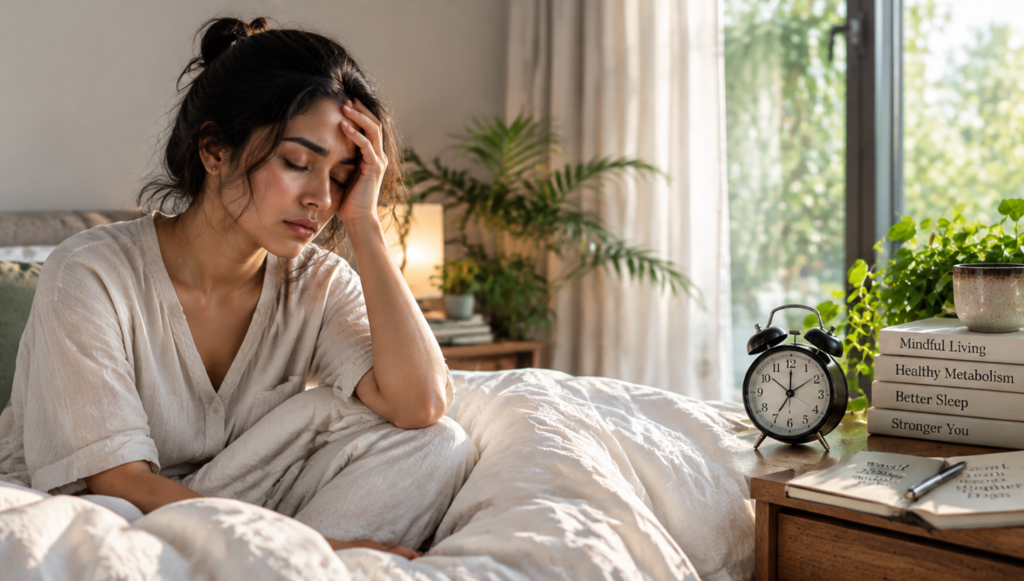
It can be tempting to complete a wellness programme and immediately catch up on work, travel, social plans, or household responsibilities. However, adequate rest can be an important part of the transition after Panchakarma.
Try to maintain a regular sleep schedule and avoid late nights when you don’t have to. A calmer routine also allows changes in appetite, digestion, energy, and overall comfort to be noticed without overwhelming the body with competing demands.
Rest does not have to mean you lie in bed during your Panchakarma recovery. Mild daily activity may be appropriate, but vigorous exercise should be resumed according to individual advice.
Return to Exercise Gradually
If you are a regular runner, lift weights, play sports or do vigorous fitness routines, check with your practitioner as to when it is safe for you to return. The right schedule will depend on the treatments you’ve had and how you feel afterward.
Gentle walking, breathing exercises, or suitable yoga practices may sometimes be introduced prior to high-intensity exercise. The main thing to know here is that you shouldn’t assume everyone should be on the same schedule.
The post-Panchakarma lifestyle should allow activity to build up slowly. If you are feeling strangely tired, weak, dizzy, painful, or have any other concerning symptoms, don’t just suck it up. Get professional advice.
Pay Attention to Your Daily Routine
One useful way to approach Panchakarma is to consider what happens after you leave the treatment environment. Returning immediately to irregular meals, insufficient sleep, constant screen exposure, and a highly stressful routine can make it difficult to maintain healthier habits.
Instead, utilize the post-treatment period to simplify your schedule as much as possible. Eat meals at fairly consistent times, get enough sleep, stay adequately hydrated, and engage in gentle physical activity as advised by a professional.
That doesn’t mean turning everyday life into a strict wellness regimen. Sustainable post-Panchakarma care should be pragmatic for continued use, once normal work and family responsibilities are resumed.
Continue Suitable Yoga and Relaxation Practices
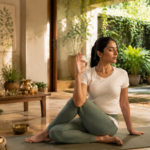
Panchakarma is usually incorporated into a wider Ayurvedic lifestyle, not treated as a standalone therapy. Gentle yoga, breathing exercises, relaxation and meditation, when appropriately recommended, may supplement the post-treatment period.
It’s the intensity that counts. Yoga is generally good, but some therapies are not meant to be followed by a demanding yoga session. Your exercise should be suitable for your energy level, flexibility, and general condition.
Over time, suitable yoga and relaxation practices can become part of the lifestyle after Panchakarma, helping you maintain greater awareness of your body, routine, and everyday well-being.
Avoid Making Sudden Lifestyle Changes
Another common mistake is trying to transform everything at once. After completing Panchakarma, someone may decide to radically change their diet, begin a demanding exercise routine, dramatically reduce calories, or add numerous supplements and wellness practices simultaneously.
A gradual approach is usually easier to sustain. Follow the recommendations given for your Panchakarma post-treatment diet, reintroduce normal activities appropriately, and observe how you feel.
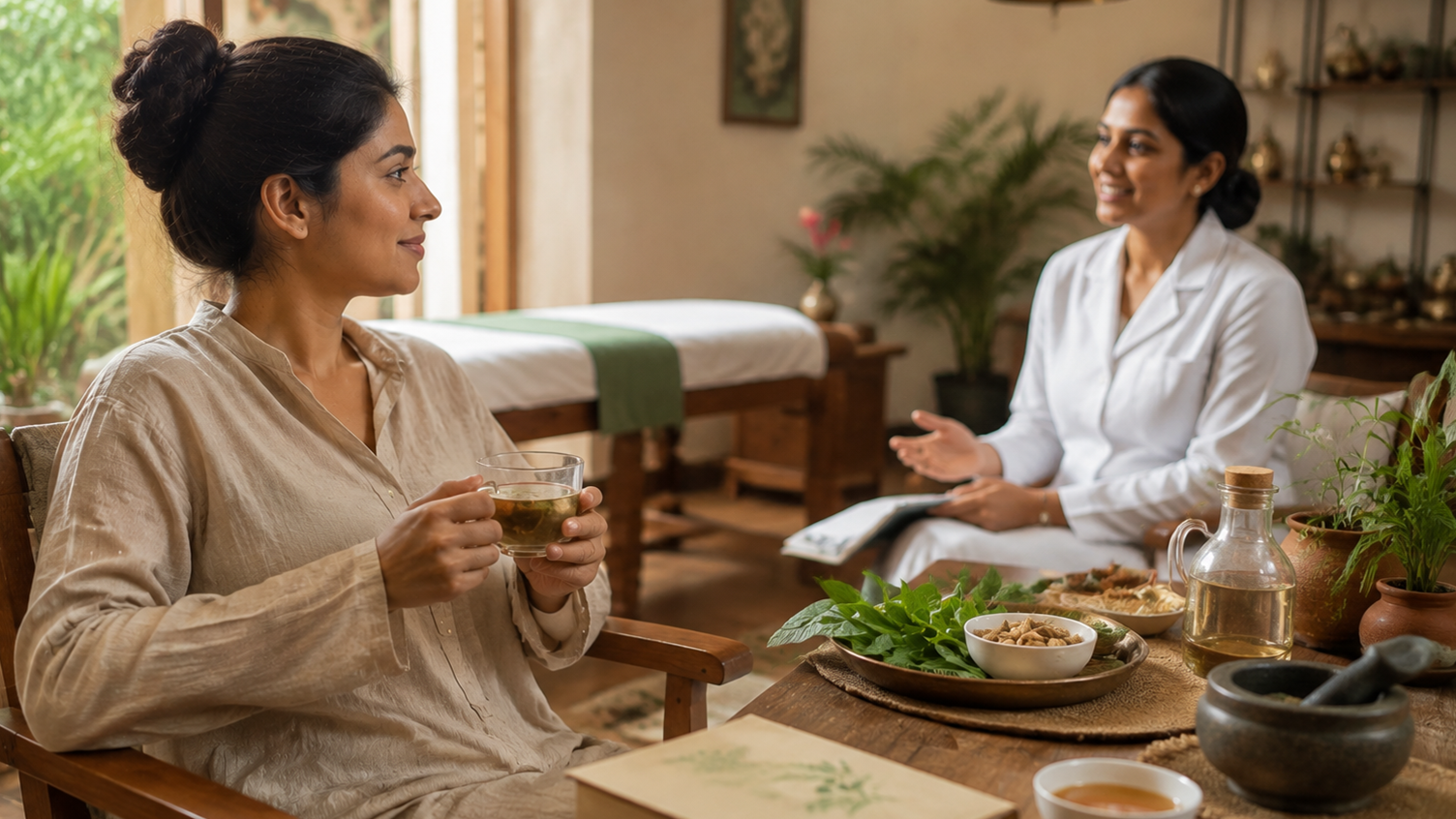
Your practitioner may also recommend specific Ayurvedic lifestyle measures based on your individual assessment. These should take priority over generic post-Panchakarma advice found online because the therapies and requirements can differ considerably between individuals.
Continue Your Wellness Journey at Wellness By Heartfulness
At Wellness By Heartfulness, we view Panchakarma as more than a collection of individual therapies. Our approach at Kanha Shanti Vanam near Hyderabad considers the complete wellness journey, including appropriate guidance before, during, and after the programme.
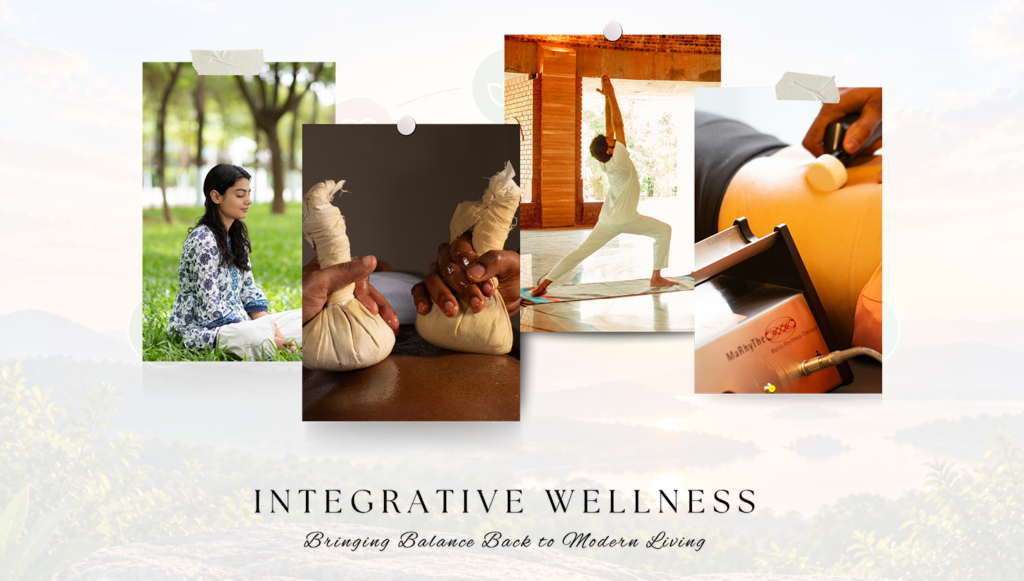
Our Ayurveda and Panchakarma offerings are part of a wider integrative wellness environment that also includes Naturopathy, Therapeutic Yoga, Physiotherapy, and complementary Heartfulness-based practices. Where appropriate, these approaches can be brought together to support individual wellness needs rather than following an identical routine for every guest.
We also recognise that Panchakarma after treatment deserves attention. Guidance around diet, rest, activity, and daily routines can help make the transition from a residential wellness experience to everyday life more manageable. We aim to help guests understand practices they can realistically carry forward after leaving Kanha, rather than seeing their wellness journey as ending with the final therapy session.
Take the Lessons Home With You
Perhaps the most useful part of post-Panchakarma care is learning to notice how everyday habits affect you. Meal timing, food choices, sleep, physical activity, stress, and rest can easily become automatic when life gets busy.
The time after Panchakarma is an opportunity to reexamine these patterns. You don’t need to be stuck in a retreat-style routine forever. Instead, find realistic and useful habits for your daily life.
A thoughtful Panchakarma recovery is ultimately about transition. Give yourself time, follow personalised professional recommendations, and allow normal foods and activities to return gradually rather than rushing the process.
Frequently Asked Questions
1. What should you do after Panchakarma?
Follow the recommendations provided by your Ayurvedic practitioner. Post-Panchakarma care may include adequate rest, a gradual return to normal food, appropriate hydration, gentle activity, regular sleep, and avoiding excessive physical strain initially.
2. What should you eat after Panchakarma treatment?
A Panchakarma post-treatment diet commonly begins with simple, warm, freshly prepared, easy-to-digest foods, with other foods gradually reintroduced according to digestion and professional guidance.
3. How long should you follow a diet after Panchakarma?
There is no single duration suitable for everyone. It depends on the Panchakarma procedures undertaken, individual digestion, constitution, overall health, and your practitioner’s recommendations.
4. How important is rest after Panchakarma?
Rest can be an important part of the recovery period. Maintaining adequate sleep and temporarily avoiding an overly demanding schedule can give the body time to transition back to regular daily activity.
5. When can you resume exercise after Panchakarma?
The timing varies between individuals and depends on the therapies received. Gentle movement may be introduced first, while strenuous exercise should be resumed gradually and according to guidance from your practitioner.