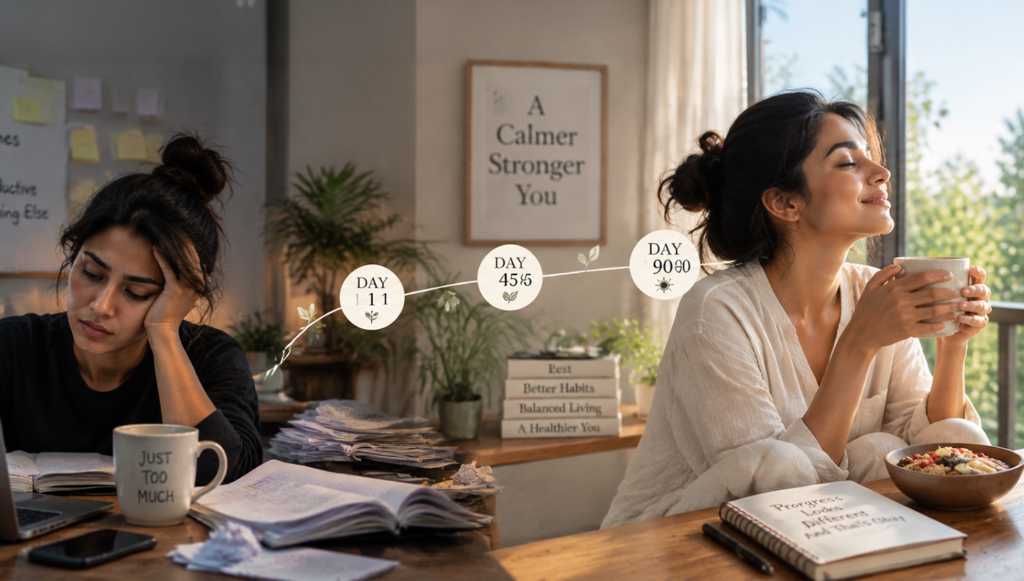

Stress used to sound like something small. A busy week. Poor sleep. Too many thoughts at once. But over time, it starts sitting quietly inside daily life. The body feels heavy for no clear reason. Small things feel louder than they should. Even rest stops feel restful. Anxiety can work like that, too. It does not always arrive dramatically. Sometimes it just stays in the background for so long that people forget what calm used to feel like. At Wellness by Heartfulness, we often notice that people are not only looking for quick relief. They are trying to understand why the mind and body feel disconnected in the first place. That is where a slower and more complete approach begins to matter.
The Mind And Body Rarely Work Separately
It is easy to treat stress like a mental problem alone, but the body usually carries part of it. Tight shoulders, headaches, stomach discomfort, poor sleep, and low energy often appear long before someone says they feel anxious. The body speaks quietly first. This is why integrative wellness for mental health feels meaningful to many people today. Instead of focusing on one symptom, the approach looks at the whole person. Sleep habits, food, movement, breathing, emotional strain, and even the environment around someone all begin to matter together.
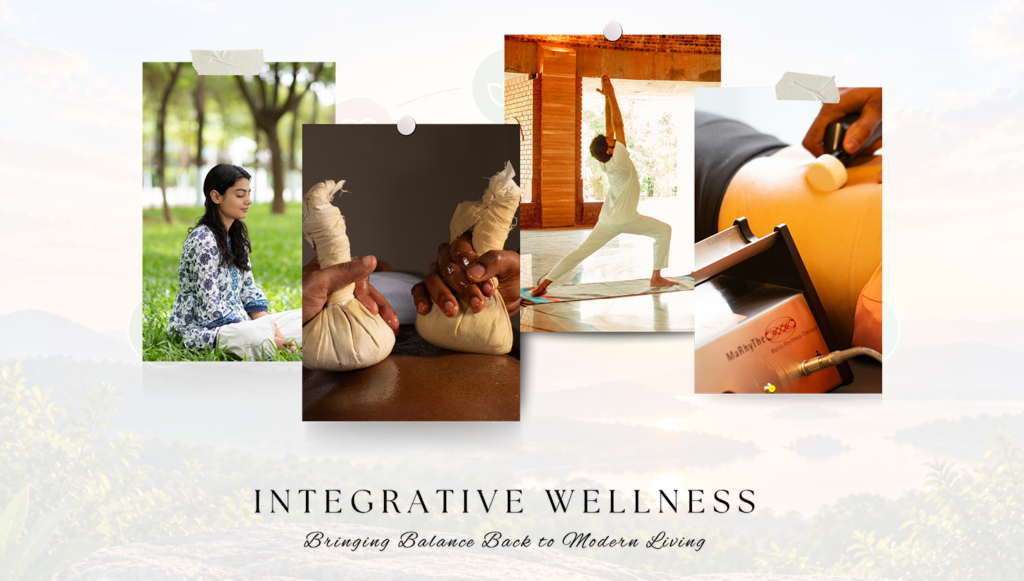
At Wellness by Heartfulness, we believe healing becomes more natural when therapies support each other instead of competing with each other. Some people respond deeply to Ayurveda. Others feel calmer through physiotherapy, meditation, naturopathy, or simple lifestyle changes. Sometimes the answer is not one treatment but the way several treatments work together gently over time.
Returning To Slower Forms Of Healing
There is something comforting about old systems of care that were built around patience instead of urgency. Ayurveda, especially, approaches stress differently. It does not only asks what symptoms are present. It asks how daily life has drifted out of balance. Many people searching for natural remedies for anxiety in India are really searching for ways to feel steady again without feeling dependent on temporary fixes. Ayurveda often brings attention back to routine, digestion, rest, herbal support, and calming therapies that settle the nervous system gradually.
At Wellness by Heartfulness, we combine Panchakarma therapies, guided diets, and lifestyle support carefully depending on what a person needs physically and emotionally. Some people arrive exhausted from years of poor sleep. Others carry stress through chronic pain, migraines, or high blood pressure. The emotional strain and physical symptoms are often connected more deeply than expected.
Why Yoga Feels Different During Difficult Times
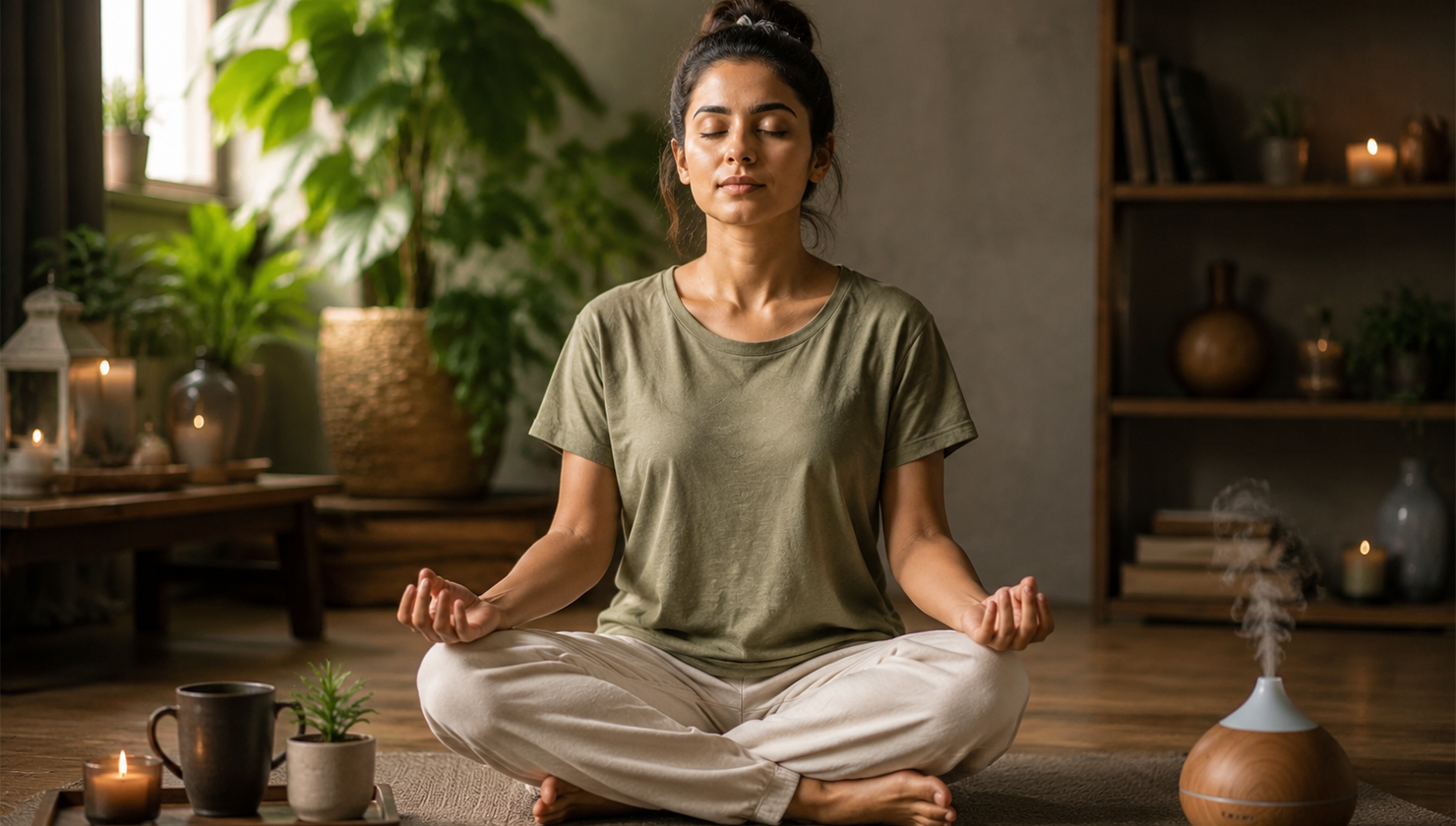
Yoga is often misunderstood as exercise alone. During stressful periods, though, its quiet effects become easier to notice. Slow breathing changes how the body reacts to tension. Gentle movement softens stiffness that anxiety sometimes creates without warning. People dealing with constant stress usually spend much of the day rushing mentally, even while sitting still. Yoga interrupts that pattern for a little while. Not perfectly. Not permanently. Just enough to remind the body that slowing down is still possible.
This is one reason many people explore stress management through Ayurveda and yoga together instead of separately. Ayurveda works on restoring internal balance, while yoga creates awareness around how stress moves through the body and mind each day. At Wellness by Heartfulness, we do not treat these practices like trends. We approach them quietly, with the understanding that healing cannot be forced. Some days progress feels obvious. Some days it does not. Both are normal.
Stress Often Hides Inside Physical Pain
Long-term stress does not always appear emotionally first. Sometimes it settles into the body through pain and fatigue. Back pain, migraines, stiffness, menstrual discomfort, poor digestion, or blood pressure concerns can slowly worsen when stress remains untreated. At Wellness by Heartfulness, we design care around this connection. Physiotherapy may help restore movement and reduce physical tension. Naturopathy may support the body through food, herbs, and rest. Other therapies, including Homeopathy, Quantum Healing, and Shingi Therapy, are sometimes included thoughtfully depending on the person’s condition.
The goal is not simply to remove discomfort for a few days. It is to understand why the body has been struggling to recover at all. This is also why many people searching for holistic stress relief techniques in India are beginning to move toward integrated healing spaces instead of isolated treatments. Stress rarely affects one area of life alone, so healing often needs more than one doorway.
A Place That Encourages Quiet Recovery
The environment around healing matters more than people sometimes realize. Constant noise, pressure, and overstimulation can keep the nervous system alert even during treatment. Calm surroundings change that. At Wellness by Heartfulness, located within Kanha Shanti Vanam, we see the atmosphere itself become part of recovery. The space is designed for slower living, quieter mornings, and uninterrupted care. With more than 250 accommodation rooms, 60 therapy rooms, over 100 therapists, expert doctors, and advanced wellness facilities, we try to give people room to pause instead of rushing through healing.
Many visitors come to us for support with stress and anxiety, but they are often also managing diabetes, migraines, thyroid disorders, lung conditions, spondylosis, knee pain, or liver and kidney concerns. Healing becomes less overwhelming when care feels connected rather than fragmented. For some people, an ayurvedic treatment for anxiety and stress becomes the starting point. For others, the change begins through meditation, physiotherapy, naturopathy, or simply stepping away from overstimulation long enough to hear their own thoughts clearly again.
A Gentle Way Forward
Stress and anxiety are difficult partly because they affect everything quietly at once. Thoughts, sleep, energy, and relationships change. Over time, people stop feeling fully present inside their own lives. A holistic approach does not promise perfection, and maybe that is part of why it feels honest. It simply recognizes that healing works better when the mind, body, and daily habits are treated with equal care. At Wellness by Heartfulness, our intention is not to overwhelm people with treatments or complicated wellness language. We try to keep the process simple, thoughtful, and grounded in care that respects both emotional and physical health.
FAQs
How can Ayurveda help reduce stress and anxiety?
Ayurveda supports balance through herbal remedies, calming therapies, better routines, mindful eating, improved sleep, and gentle emotional healing practices.
What is integrative wellness for mental health?
It combines therapies like Ayurveda, yoga, naturopathy, meditation, and physical care together to support emotional and physical well-being naturally.
Which therapies are best for stress relief naturally?
Ayurveda, yoga, meditation, naturopathy, breathing exercises, and physiotherapy often work together effectively for natural stress relief and emotional balance.
Can yoga and meditation reduce anxiety long-term?
Regular yoga and meditation may calm the nervous system gradually, improve emotional awareness, reduce overthinking, and support healthier sleep patterns.
What are the symptoms of chronic stress?
Common symptoms include fatigue, headaches, irritability, poor sleep, anxiety, body pain, digestive discomfort, low concentration, and emotional exhaustion over time.