
PCOS is one of those conditions that can leave someone feeling confused for a long time. One month the periods are late, then the skin starts changing, hair begins falling more than usual, or weight suddenly feels harder to manage. It almost feels like different problems are showing up together, even though they all seem connected somehow.
That is probably why so many women keep asking the same question: is PCOS only about hormones? The answer does not seem that simple. Hormones matter, but they are reacting to many things happening inside the body. Digestion, metabolism, stress, sleep, and daily habits all seem to have a role in the story.
This is where PCOS and Ayurveda and naturopathy feel a little different. They do not just look at what is visible. They try to understand what is creating the imbalance underneath.
PCOS Is More Than A Hormone Problem
It is easy to think PCOS begins in the ovaries because that is where the diagnosis usually points. But after looking a little closer, it becomes clear that the body works like a chain. When one part is disturbed, another part reacts.
Many women with PCOS also have insulin resistance, slower metabolism, inflammation, or ongoing stress. These things can affect hormone production, which is why symptoms often look different from person to person.
That is why treating only acne or irregular periods does not always make someone feel completely better. The body is asking for balance in more than one place.
Why Hormonal Balance Starts With Metabolism, Not Symptoms
This idea makes more sense the longer someone sits with it. Metabolism is not just about burning calories. It is how the body turns food into energy and keeps blood sugar and insulin working properly.
When metabolism is not functioning well, insulin levels may increase. That can push the ovaries to produce more androgens, which may lead to irregular cycles, acne, and unwanted hair growth.
So instead of chasing every symptom separately, it helps to support the body’s internal systems first. That is where PCOS hormonal balance slowly begins.
At Wellness by Heartfulness, we believe this balance starts with understanding the whole body, not just one symptom. Our approach combines natural therapies and healthy lifestyle practices to support long-term wellness.
How Ayurveda Looks At PCOS
Ayurveda for PCOS does not separate the body into isolated parts. It looks at digestion, routine, sleep, emotions, and overall balance together.
According to Ayurveda, when digestion becomes weak and toxins build up, the body’s natural rhythm can be disturbed. That imbalance may show up in different ways, including irregular menstrual cycles and hormonal changes.
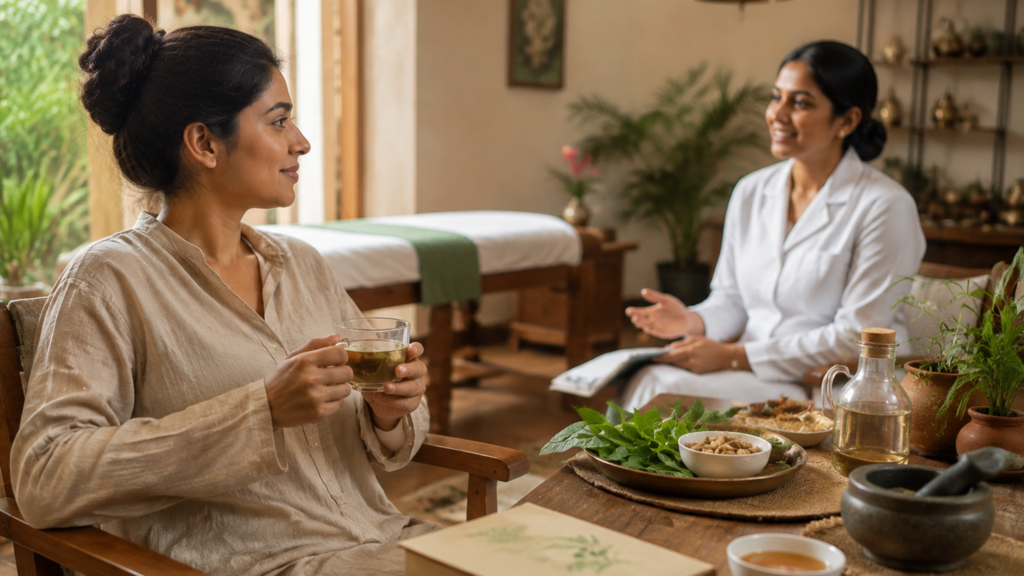
The interesting thing is that Ayurveda does not expect every woman with PCOS to follow the same plan. The approach is usually personalized because symptoms and body types are different.
What Ayurvedic Treatment Really Tries To Do
An Ayurvedic PCOS treatment is usually a combination of therapies and everyday habits. It is not only about herbs. It also pays attention to food, sleep, stress, and cleansing therapies that support the body’s natural balance.
Panchakarma is one of Ayurveda’s traditional detoxification therapies. It is designed to remove accumulated toxins and restore internal harmony through different cleansing methods.
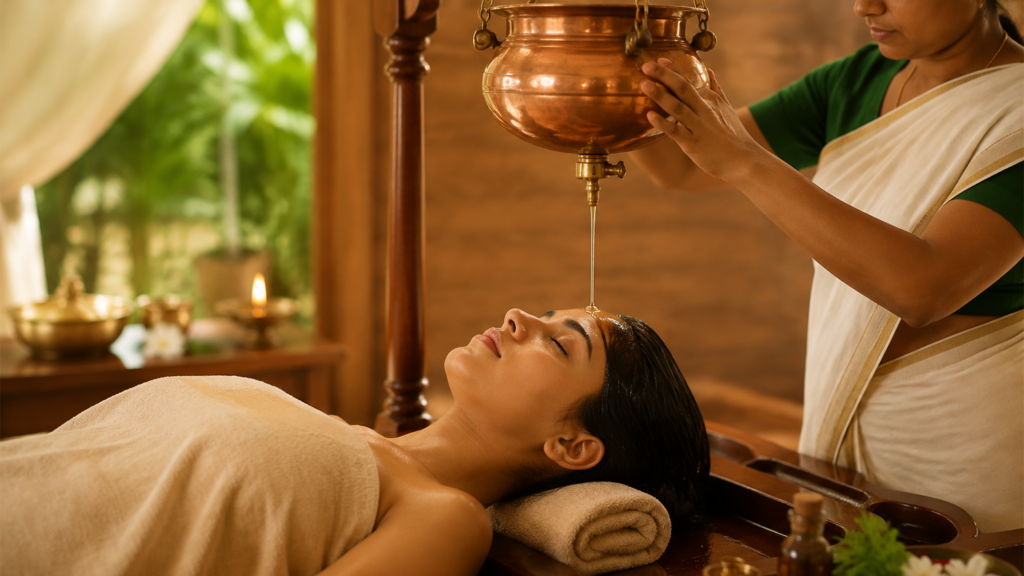
There are also therapies like Shirodhara, where warm herbal oil is poured gently over the forehead for deep relaxation, and Abhyangam, a full-body massage using medicated herbal oils that supports circulation and relaxation.
At Wellness by Heartfulness, we offer these Ayurvedic therapies as part of a holistic healing approach that focuses on restoring balance rather than simply managing symptoms.
Where Naturopathy Fits Into PCOS
Naturopathy looks at PCOS through the body’s natural healing capacity. The approach is not limited to lifestyle advice. It also includes therapies that support digestion, circulation, detoxification, stress regulation, weight balance, and reproductive health.
For women with PCOS, naturopathy may include therapeutic diet plans, hip bath, mud packs, acupuncture, ozone therapy, yoga, breathing practices, and structured detox support under professional guidance. These therapies are selected based on the person’s symptoms, body condition, menstrual history, metabolism, and stress levels.
The aim is to create an internal environment where the body can respond better to treatment. Instead of only focusing on irregular periods, acne, weight gain, or hair fall separately, naturopathy works on the systems that may be contributing to hormonal imbalance.
Naturopathy Treatments Used For PCOS
Naturopathy offers several supportive therapies for PCOS management. These are usually combined with diet correction, yoga, stress management, and regular monitoring.
- Therapeutic diet: A naturopathy diet plan may focus on blood sugar balance, digestion, weight management, and reducing highly processed foods.
- Hip bath: Hip bath therapy may be used to support pelvic circulation, relaxation, and reproductive health.
- Mud packs: Mud packs are often applied to the abdomen to support cooling, relaxation, digestion, and natural detoxification.
- Acupuncture: Acupuncture may help support hormonal balance, stress reduction, and menstrual health when done by a trained professional.
- Ozone therapy: Ozone therapy may be used in some naturopathy settings as part of a broader wellness plan, depending on the person’s condition and expert assessment.
- Yoga and breathing practices: Yoga, pranayama, and guided relaxation can support stress management, weight balance, insulin sensitivity, and emotional well-being.
Small Everyday Habits Make A Bigger Difference Than Expected
PCOS management often becomes overwhelming because there is too much advice online. One day someone says stop eating carbs. The next day someone says try fasting. It gets exhausting.
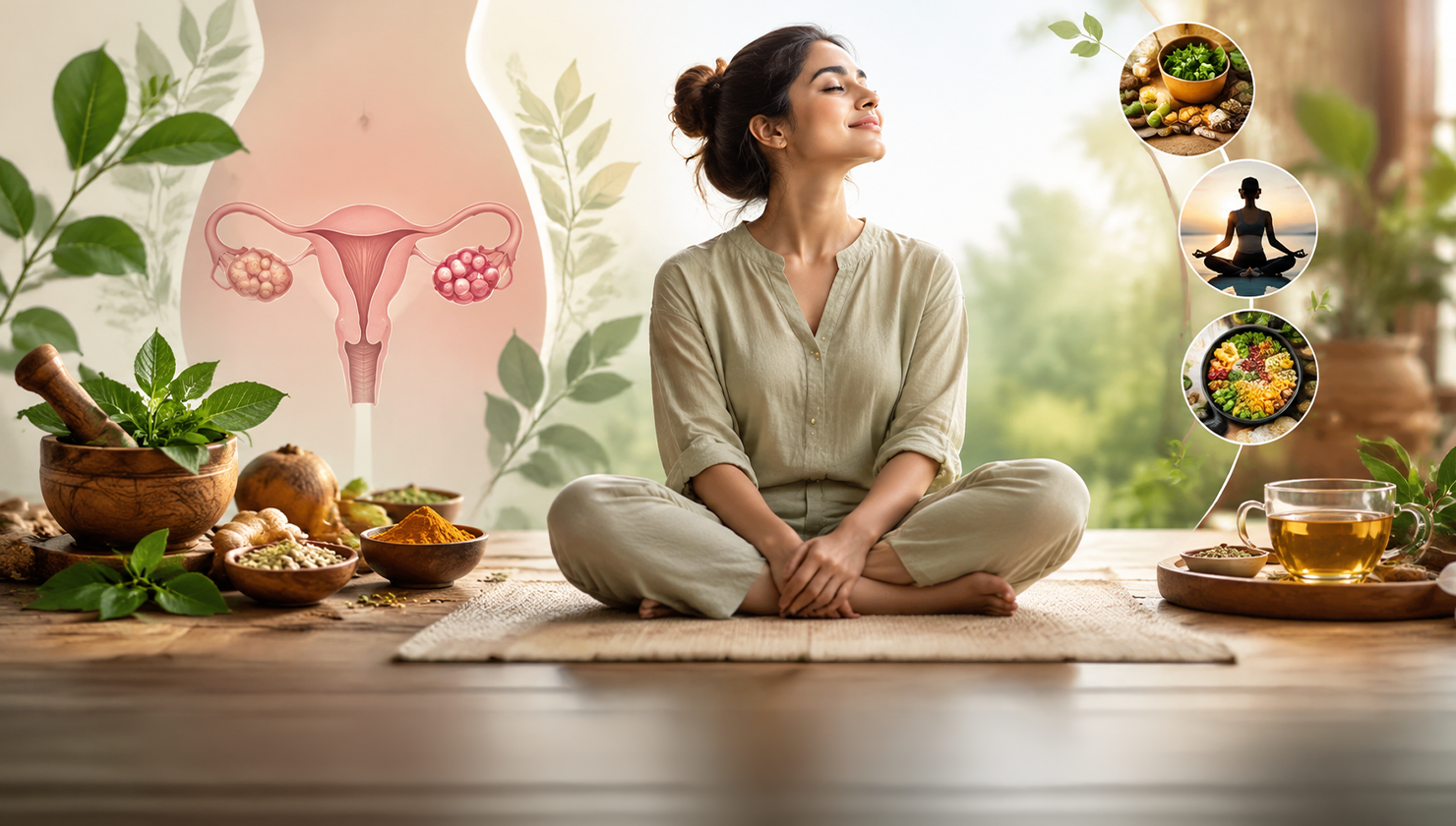
Naturopathy does not usually depend on extreme routines. It combines regular therapies with steady habits such as balanced meals, enough protein, regular movement, better sleep, hydration, yoga, and stress reduction. These habits support the body between treatment sessions and make the results more sustainable.
Healing does not always look fast. Sometimes it looks consistent.
A Natural Healing Journey With Wellness By Heartfulness
PCOS is different for every woman, so treatment should feel personal too.
At Wellness by Heartfulness, we combine Ayurveda and Naturopathy to support women dealing with PCOS in a gentle and holistic way. Our approach may include Panchakarma, Shirodhara, Abhyangam, detoxification therapies, naturopathy diet planning, hip bath, mud packs, acupuncture, ozone therapy, yoga, breathing practices, and stress-relief support.
The focus is on improving digestion, metabolism, hormonal balance, circulation, emotional well-being, and lifestyle rhythm together. The goal is not simply to reduce symptoms for a short time, but to support the body in finding a more sustainable balance.
The Bottom Line
Living with PCOS can feel frustrating because the symptoms keep changing. Just when one thing improves, another seems to appear. That is why looking only at symptoms often feels incomplete.
Learning how to manage PCOS naturally is really about supporting the body from the inside. Ayurveda and Naturopathy both encourage slower, steadier healing through food, routine, metabolism, digestion, and stress management. It is not about perfection or overnight results. It is about helping the body find its rhythm again, one small step at a time.
FAQs
What naturopathy treatments are used for PCOS?
Naturopathy treatments for PCOS may include therapeutic diet planning, hip bath, mud packs, acupuncture, ozone therapy, yoga, breathing practices, and detoxification support. These therapies are usually selected after understanding the person’s symptoms, metabolism, menstrual pattern, stress levels, and overall health condition.
Can Ayurveda help manage PCOS symptoms?
Yes, Ayurveda may help manage some PCOS symptoms by focusing on digestion, metabolism, daily routine, stress, and overall balance. The approach is usually personalized rather than the same for everyone.
What is the Ayurvedic approach to PCOS?
The Ayurvedic approach looks beyond individual symptoms and considers factors such as digestion, lifestyle, body constitution, and hormonal health. Therapies, diet, and lifestyle changes may be combined depending on individual needs.
How are metabolism and PCOS connected?
Metabolism and PCOS are closely linked, particularly through insulin resistance. When the body has difficulty managing insulin and blood sugar, it can affect androgen levels and contribute to symptoms such as irregular periods and weight changes.
Can lifestyle changes improve PCOS symptoms?
These can assist in the management of PCOS in many women. Exercise, proper diet, sufficient sleep, and stress management will all promote good metabolism and hormones. It is always easier to change what can realistically be done rather than something that is difficult.
What role does diet play in managing PCOS?
Diet can support blood sugar control, metabolism, digestion, and overall health. A balanced eating pattern with adequate protein, fiber, healthy fats, and minimally processed foods may be helpful, although dietary needs can differ from one person to another.