
Loss of hair is one of those problems where people continue treating themselves externally until they start thinking about what’s going wrong internally. New shampoos, oils, serums, and supplements come and go, but hair loss remains. This problem causes a lot of disappointment as it is a matter not only about appearance but also about personal identity, self-respect, and general physical health, as stated by Ayurveda. The main peculiarity of the approach to Ayurvedic treatment for hair fall in India lies in the different approach to the root cause of the disease compared to most conventional medicines. The difference here is that the latter focuses on symptoms while Ayurveda seeks the cause of the problem.
What Ayurveda Says About the Root Cause of Hair Loss
Hair, in the science of Ayurveda, is considered to be a branch of the body known as “Asthi Dhatu” or bone tissue, and it is associated with the functionality of the digestive system and the three doshas, Vata, Pitta, and Kapha. If anything disturbs any of the mentioned bodily functions, there is a risk that hair health will be affected. The most common imbalance associated with hair loss problems is increased levels of Pitta, responsible for the heat and metabolism in the body. When there is an imbalance of pitta caused by things like eating spicy foods, drinking alcohol, getting angry, and sun exposure, the heat within the body burns the hair follicles.
The imbalance in the vata, because of its dry and erratic nature, causes the hair to become very fragile and to break. The imbalance in the kapha is not very common but no less of a problem, as it causes clogged follicles because of an excess of oils and mucus buildup. The root cause of hair loss in Ayurveda, therefore, does not originate in the scalp itself but in other systems of the body. The problem is, after all, an indicator of digestive imbalances, stress, hormonal disorders, or poor nutrition and, hence, is more than a mere scalp issue, from the Ayurvedic perspective, treating the shadow rather than the source.
The Problem with Symptomatic Care Alone
Hair loss therapies, which have been incorporated into conventional medicine, such as topical application of minoxidil, dandruff shampoo, DHT inhibitors, et al, operate on a symptom suppression principle. Such methods might be used to lower hair loss and even encourage hair regrowth, but they cannot address the underlying causes behind the hair loss. This is probably one reason why most people begin to lose hair after stopping the use of their medications, or when the effects start fading.
Symptomatic treatment is not completely useless. In some situations, immediate treatment of the symptom itself is warranted. But when it comes to people suffering from repeated or persistent hair loss, symptomatic treatments alone will probably never achieve any long-term success. The Natural hair fall remedies in Ayurveda cannot be seen simply as more gentle options than chemical-based medicine. Instead, they form a completely different way of thinking, where cure is inherently linked to the cause of the issue.
How Ayurveda Treats Hair Loss at the Root Level
The process of dealing with hair fall in an Ayurvedic manner starts with a detailed analysis of the patient’s prakriti or dosha balance, as well as his/her current imbalances. This will dictate all aspects of therapy, including diet and herbs used, because even the same symptom of hair fall may indicate completely different imbalances for different people.
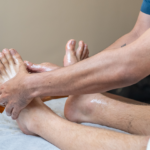
Panchakarma, one of the main detoxification techniques of Ayurveda, is usually an integral part of the treatment of severe hair loss. In Shirodhara, medicinal oil is applied on the forehead; this technique relaxes the nervous system, reduces Pitta and improves blood circulation to the scalp. In Nasya, the oils are administered through the nose to clear deeper channels related to the health of the head and hair. Abhyanga, a total body massage with oil, aids the functioning of lymph glands and enhances Asthi Dhatu, which gives hair strength.
Herbal treatment for hair growth in India based on the Ayurvedic system utilises a variety of herbs. One of the most powerful herbs for growing hair in Ayurveda is known as Bhringraj, which helps increase follicle strength and decrease Pitta, leading to new hair growth. Amla is taken both internally and externally in order to promote healthy hair and reduce inflammation of the scalp. Brahmi acts as a relaxant for the nervous system and treats the stress-related issues often associated with hair loss. Hibiscus, methi and neem each play specific roles depending on the individual’s constitutional picture and the nature of their imbalance.
The Role of Ayurvedic Oils in Hair Care
Oil application forms an essential part of Ayurvedic hair treatment that transcends mere moisturising. The practice of rubbing the scalp with the proper oil therapy is one of the primary means of nourishing the hair follicles and boosting blood circulation, and pacifying the dosha responsible for causing hair fall. The key point in this context is ‘medicated’. While coconut or sesame oils may provide some benefit, traditional Ayurvedic oils require special treatment and time by combining the base oil with certain medicinal herbs to make a potent blend.
Ayurvedic oils for hair fall control that are generally recommended by experts for treating hair fall problems are Bhringraj oil, which is used for treating hair fall due to excessive Pitta, Brahmi oil for treating hair fall because of excessive stress, and Neelibhringadi oil, which is a mixture of different herbs used for hair fall irrespective of the body type. Application techniques are also equally important, where hair oil should be massaged onto the scalp using gentle circular motions for at least fifteen minutes.
Can Diet Reduce Hair Fall Naturally?
Food has always been an important part of Ayurvedic medicine, and when considering hair loss, diet has always been a major focus rather than just a supplemental one. Healthy hair requires proper nourishment being supplied to deep bodily tissues, and this depends on proper digestion. When digestion is poor, there will be an accumulation of Ama, or metabolic residue, regardless of a healthy dietary intake, because the proper absorption of nutrients into tissues is blocked.
Foods that cause Pitta imbalance, like fried foods, foods high in fermentations, excess salt, alcohol, and excessively spicy foods, are usually restricted in a hair loss regimen. The emphasis is on cooling and nutritious foods such as cooked veggies, whole grains, ghee, fresh fruits, especially amla, sesame, almonds, and dairy where relevant. Iron, zinc, protein, and B vitamins are all important nutrients for hair growth, and Ayurvedic nutrition advice aims to ensure that not only are these nutrients consumed, but also that they are well absorbed into the body.
Hair fall is considered one of the health concerns handled through our Ayurvedic wellness programs at Wellness by Heartfulness, where, along with the expertise of our skilled Ayurvedic practitioners, we have specialists in skin and hair-related treatments who help us craft individualised protocols combining diet advice, herbal medicines, traditional practices, and oiling sessions. The doctors at our clinic, some of whom have years of professional experience, will always consider your doshic make-up as well as the imbalances you are suffering from before prescribing any treatment protocol for you. Our view is that true hair health comes from within, and our programmes at Kanha Shanti Vanam are designed to create exactly the internal conditions in which healthy hair can return and thrive.
Conclusion
Treatment through root cause analysis versus treatment of symptoms cannot merely be an academic decision. Its consequences will be felt on the level of the effectiveness of the treatment itself. The use of Ayurvedic treatment for hair fall in India presents a medically sound, personalised route to healing that deals with the underlying factors related to digestion, hormones, emotions and constitution, which lead to most cases of hair fall. For those who have struggled with hair fall for many years without any solution in sight, root cause treatment is not just a new way. It is a holistic way.
Frequently Asked Questions
What causes hair fall according to Ayurveda?
In Ayurveda, the root cause of hair fall is thought to be an imbalance of doshas, especially high Pitta, which produces internal heat and thus harms hair follicles. Nutritional deficiency within body tissues, digestive disorders, stress, hormonal imbalance, and toxicity are some of the known causative factors for hair loss. All of these causative factors can coexist to contribute to hair loss rather than acting separately.
How does Ayurveda treat hair loss at the root level?
An initial analysis determines the imbalances within an individual’s body responsible for hair loss. Treatment involves the use of herbs internally, diet management, detoxification procedures like Panchakarma, the use of oils externally, and advice on the way of living.
Which Ayurvedic oils are best for hair growth?
It is generally believed that Bhringraj oil is the best oil for overall hair fall problems and regeneration. On the other hand, Brahmi oil is good for hair loss caused by stress, while Neelibhringadi is an old formulation containing many herbs. The choice of oil varies from person to person according to their imbalance.
Can diet help reduce hair fall naturally?
Diet is at the centre of Ayurvedic approaches for hair loss. By cutting back on foods that ramp up Pitta, boosting digestive vigour a bit, and making sure you get enough hair-supporting nutrients from whole, natural foods, people often notice real improvement in hair condition, little by little, over time. This can be even more noticeable when it is paired with herbal remedies and other therapeutic interventions.
How long does Ayurvedic treatment for hair fall take?
A mild or moderate case of hair loss will start showing some improvement in six to eight weeks, while more severe or chronic cases of hair loss will take three to six months of continuous Ayurvedic treatment before they can see any noticeable results. It is important for the patients to be patient and regular, as Ayurvedic therapy works on restoring balance gradually.