
 What Is Clay Therapy?
 What Is Clay Therapy?
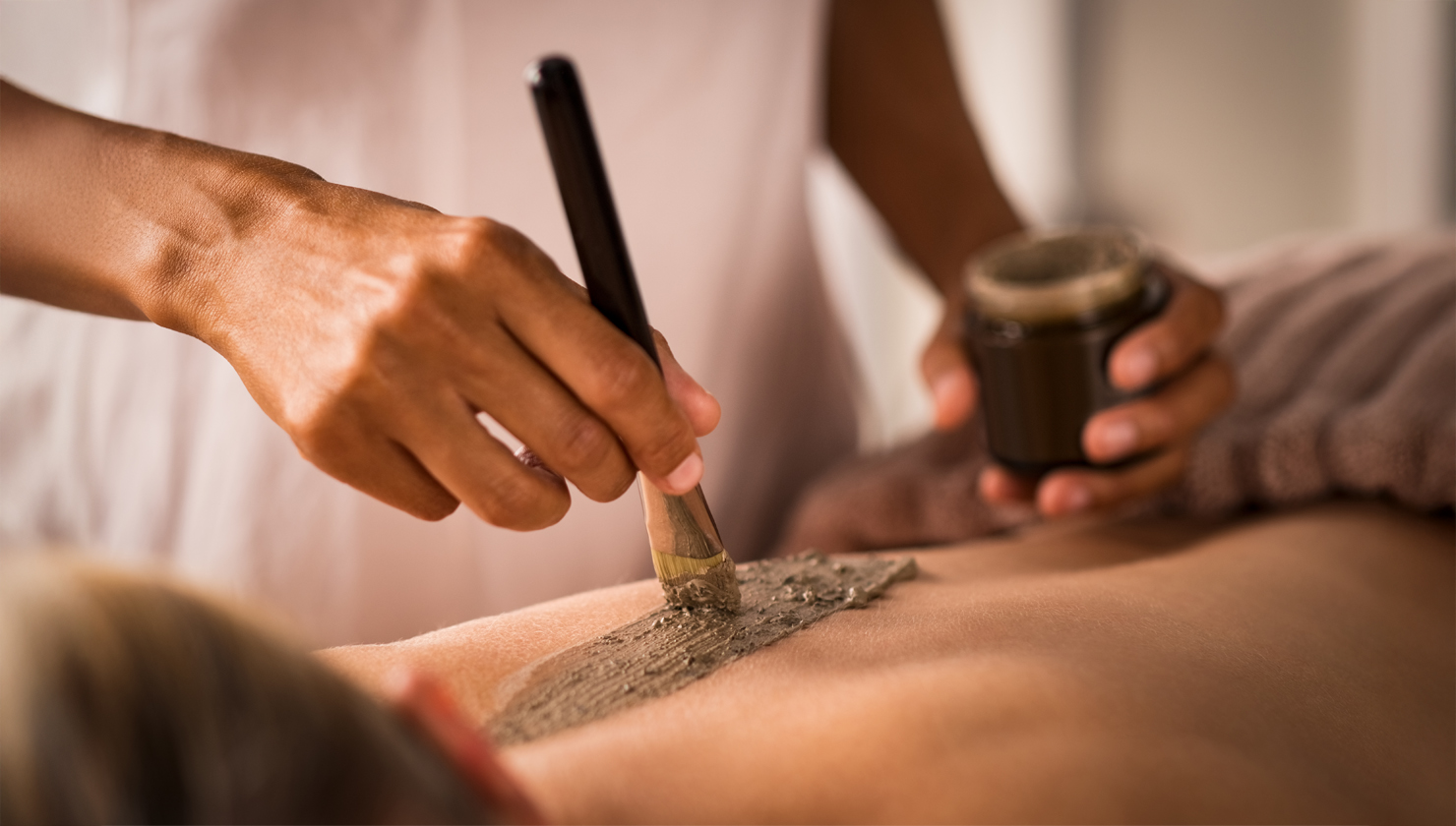
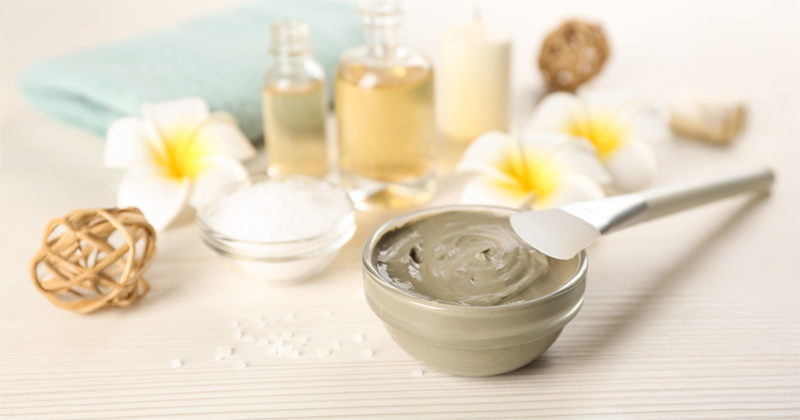
Clay Therapy is a natural therapeutic practice in which a specific kind of clay which is enriched with minerals is applied to different body parts with the purpose of drawing out toxins from the body. This process eliminates all the excessive harmful toxins that the body has accumulated and helps in nourishing the skin as well as healing it from all kinds of damage. For example, Multani Mitti (Fuller’s Earth) is widely used due to its skin-purifying properties, and Neem clay has a strong presence in Naturopathic practices for its antibacterial and healing qualities. Kaolin clay is another mild option known for its soothing effects.
Types of clay Used for Clay Therapy
As mentioned above, Clay Therapy is carried out using all kinds of clay. Each of these types of clays brings a distinctive advantage and is carefully chosen based on the ultimate goal. The most popular types of clay used for Clay Therapy include the following:
- Bentonite: Also known as bentonite clay, this type of clay is used very prominently in Clay Therapy practices for its ability to eliminate toxins from the body. It binds all the toxins together and removes them effortlessly.
- Fuller’s Earth: Known popularly as multani mitti, this type of clay plays a very prominent role in Naturopathic practices and is used extensively for skin rejuvenation, detoxification, and healing practices. Fuller’s earth effectively absorbs the excess oils trapped inside the body and eliminates them along with impurities which leaves the skin feeling smooth and supple.
- Dead Sea clay: This type of clay is utilised because of its unique composition. Dead sea clay is enriched with magnesium potassium as well as calcium all of which help in nourishing the skin from within while drawing out all the toxins that have accumulated.
How therapy is performed
Clay Therapy also known in the Naturopathic context as clay abhyanga is a massage-based treatment for the entire body. The procedure for carrying out these clay therapies includes the following steps:
Step 1: Selecting the clay
According to the type of therapy to be performed the process starts with selecting the appropriate clay. The therapist chooses the particular clay needed with respect to the treatment as well as the individual’s health conditions and bodily constitution. These factors help in choosing the appropriate materials preventing any side effects from occurring.
Step 2: clay Preparation
Once the clay is selected, the patient is guided to lie down in a relaxed position while the therapist prepares the clay. clay preparation can involve mixing the clay with other elements such as rose water, milk, other herbs, etc. By mixing the clay with such elements, the therapist improves the therapeutic power of the clay and also introduces the unique benefits of these individual natural ingredients for enhancing the effects.
Step 3: Applying the clay
After the clay is prepared, it is carefully applied to all the body parts in the case of clay abhyanga or on specific body parts in other cases. In clay abhyanga, the therapist performs a massage of the entire body using the clay preparation using motions like kneading and pressing, applying uniform pressure to have the body relax. In other cases, mild massage or no massage may be provided and simply the clay may be applied and left to rest.
Step 4: Resting
After the application is completed the clay is left for a period of 20 to 30 minutes during which it dries and absorbs all the toxins from the body, thereby enabling better circulation and promoting rejuvenation.
Step 5: Removal of the clay
Once the clay has dried, the therapist will then clean the clay from the body using water. This may be followed by gentle oil application to moisturise the skin in some cases followed by some post-treatment care guidance to ensure that you feel the benefits completely.
If you are curious about Clay Therapy or searching for a ‘Clay Therapy near me’ place, connect with us at Wellness by Heartfulness. Experienced in a wide range of Naturopathic treatments , our therapists help you rejuvenate your body and mind in a relaxed and comfortable environment that takes away your stresses. Using Naturopathic practices we carry out holistic treatments that not only draw out all the stress from your body but leave you feeling fresh and energised. Situated in Hyderabad we provide various Naturopathic therapy options for an unmatched wellness experience.
Conclusion
Clay Therapy is an age-old practice which provides a number of benefits for the skin. It helps in detoxifying the body promoting rejuvenation as well as enriching the body with necessary minerals and nutrients which promote better circulation and promote healing. Apart from detoxifying the body it also helps in overcoming pain which comes from inflammation or arthritis. A time-tested remedy for pain, inflammation, toxin build-up, and overall dullness Clay Therapy is a transformational practice that helps boost the body’s overall health without the need for strong chemicals.

Dr. Nandini