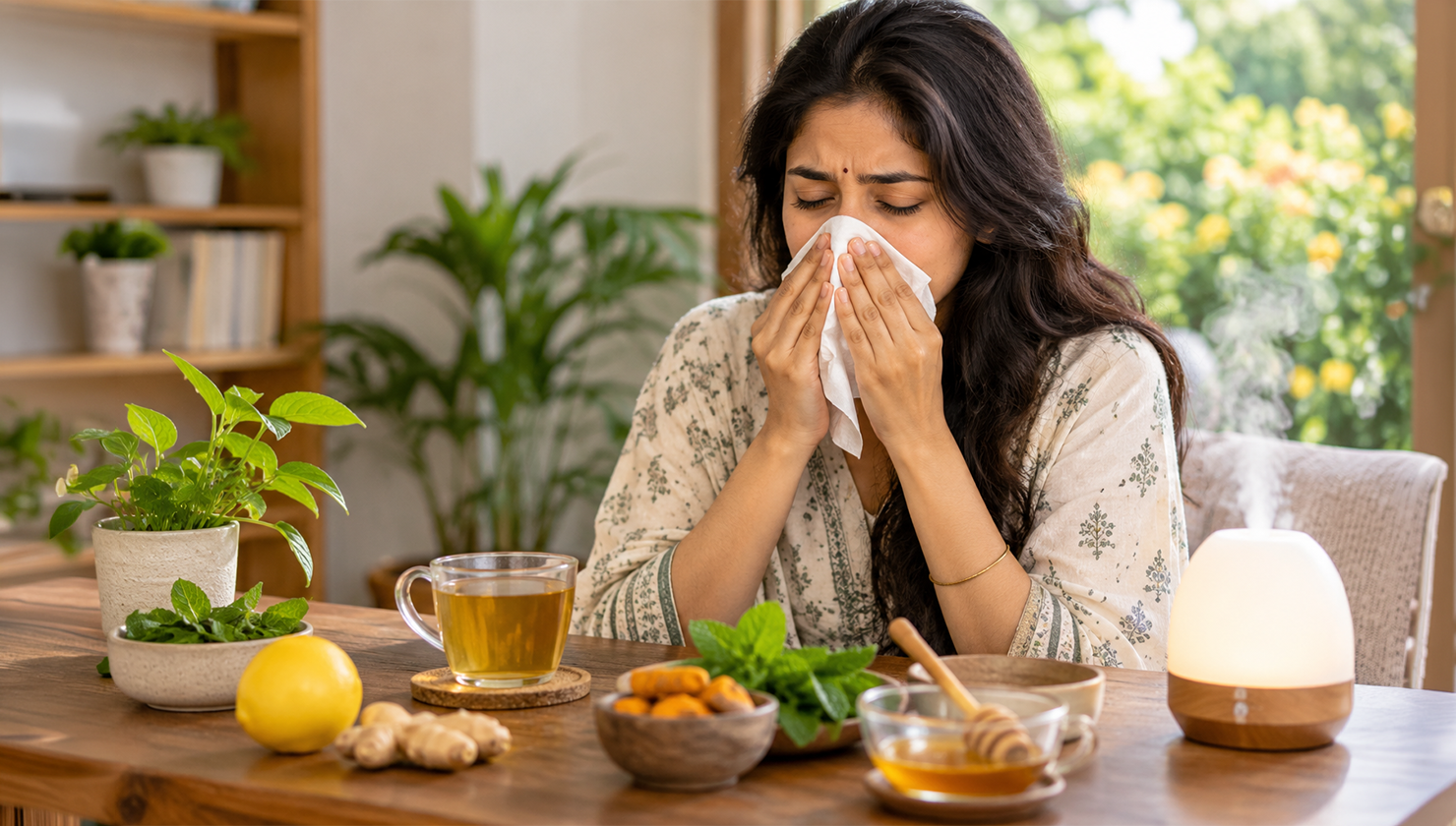

Seasonal allergies can cause trouble. It may start off with some sneezing in the morning and somehow turn into itchy eyes, a stuffy nose, lack of sleep, and drowsiness that clings on all throughout the day. If one experiences this every single season, one cannot help but think if there is something that one can do about it.
Of course, there are medicines that can help. But there is also some merit in taking the everyday view of things. Sleep, food, stress, indoor air, time outside- they all contribute a little bit.
Start with what is close to you.
You can take home allergens without knowing it. Pollen can land on your clothes, hair, bedding, furniture and even the places where you spend most of your time.
Just a couple of these things may help make life just a little bit easier:
- Shower and change your clothes after being outdoors for a while.
- If you’ve been in an environment with high pollen count, take a shower before sleeping.
- Keep your windows closed during high pollen counts.
- Clean your pillowcases and sheets often.
- Dusty corners needn’t be permanent.
This is not a cure. It’s more about not making your nose, eyes and lungs work too hard.
Try natural ways to relieve seasonal allergies
There is no magic list of natural remedies for seasonal allergies that will work just the same for everyone. That can be frustrating. What feels soothing to one person may not do much for another.
One of the top natural ways to relieve seasonal allergies is a saline nasal rinse, which is an easy way to help clear allergens from the nasal passages. Warm water, tea, and hydration will also provide comfort when you are suffering from an irritated throat or have been running your nose all day.
Food can be considered too, but there’s no need to make it too difficult. Balanced meals and adequate hydration is a good first step.
The use of herbal supplements requires a bit more caution. “Natural” does not mean safe, especially if you are currently taking medication.
Make Your Day A Little Easier
Sometimes the best natural remedies for seasonal allergies aren’t really remedies at all. They are small changes that reduce the amount of irritation coming at you during the day.
For example, it will be best if you do the following:
- Check for pollen levels before arranging any outdoor activity.
- Make sure your bedroom is clean and free from dust.
- Avoid cigarette smoke and other irritants.
- Do not overexert yourself but have enough rest.
- Be aware of activities or places where symptoms appear.
These lifestyle changes for seasonal allergies are pretty common. That’s the point, actually. No need to make allergy season some complicated wellness project.
A More Personal Approach to Health at Wellness By Heartfulness
Wellness by Heartfulness is not about going after one symptom at a time. We treat each person as a whole, combining science, tradition and inner awareness. We start with evaluations such as Nadi Pariksha (pulse diagnosis) or Iris diagnosis, guiding our physicians and healers to shape a customized wellness program.
This could be bringing together different wellness services under one roof, depending on the individual’s needs. This larger approach includes our Heartfulness energy therapies, Polarity Healing, Quantum Healing and Sound Therapy, to help in relaxation, balance and a renewed sense of vitality.
When Symptoms Keep Coming Back
When you see the same symptoms pop up every spring, or at another specific time of year, it’s a good idea to look for natural allergy relief for adults. But if they keep coming back, they probably deserve a chat with a healthcare provider, especially if they’re getting in the way of sleep, breathing, work, or daily life.
There is also a lot of curiosity about how to stop allergies immediately naturally. It would be nice if there was one simple answer. There usually isn’t. Sometimes you’ve got to have a little patience and common sense with allergy symptoms.
And knowing when home care isn’t enough is important too. If you have breathing problems, severe swelling, or a serious reaction, get medical help right away, don’t try another home remedy.
Final Words
You probably won’t be able to eliminate seasonal allergies with a few habit changes. There will still be some annoying days. Your nose might still be running. The eyes might still itch. That is part of being realistic about natural health.
Irritation in the body each day could vary widely. It could be prudent to consider doing away with irritants, taking sufficient rest, fluid intake, understanding triggers of the body, and giving support where needed.
It is not necessary that all be done at once; rather, the most effective approach will be that of doing one thing at a time and analyzing its effect on the body. But then in case of complex symptoms, seeking medical help will be inevitable along with natural treatment.
Frequently Asked Questions
1. What are the common symptoms of seasonal allergies?
Seasonal allergies commonly cause sneezing, a runny or blocked nose, itchy or watery eyes, throat irritation, coughing, and tiredness. Symptoms can vary depending on the allergen and how sensitive the person is.
2. How can I get natural relief from seasonal allergies?
Simple measures such as saline nasal rinses, staying hydrated, showering after outdoor exposure, keeping windows closed during high pollen periods, and reducing dust indoors may help ease symptoms. Natural approaches should support, not replace, medical care when symptoms are persistent or severe.
3. How long do seasonal allergy symptoms usually last?
Symptoms can last for days, weeks, or throughout a particular pollen season depending on the trigger and level of exposure. Some people experience symptoms only during certain months, while others may have recurring episodes at different times of the year.
4. When should I see a doctor for seasonal allergies?
Medical advice is recommended if allergy symptoms regularly disturb sleep, breathing, work, or daily activities, or if home measures are not helping. Seek urgent medical care for severe breathing difficulty, swelling, or signs of a serious allergic reaction.
5. What medical treatments are commonly used for seasonal allergies?
Treatment may include antihistamines, nasal corticosteroid sprays, saline rinses, and other medicines depending on the symptoms and severity. A healthcare professional can recommend the most appropriate option, especially when allergies are frequent or difficult to control.