The human body is a powerhouse a vibrant, self-healing force. Illness itself is passive; it can only take hold if we allow it. According to the principles of natural cure, the buildup of foreign substances within the body is the root cause of all disease. This idea that disease and cure are fundamentally one underlies …


The human body is a powerhouse a vibrant, self-healing force. Illness itself is passive; it can only take hold if we allow it. According to the principles of natural cure, the buildup of foreign substances within the body is the root cause of all disease. This idea that disease and cure are fundamentally one underlies the entire philosophy of naturopathy.
When given the right conditions, the body’s cleansing systems and excretory organs are capable of eliminating toxins and restoring health. The body’s recuperative potential is vast, provided it is not hindered by external interference. Nature cure, practiced since ancient times, treats ailments without reliance on pharmaceuticals. It is based on the belief that the body itself has an innate capacity to heal. Healing is supported through natural therapies and lifestyle practices such as mud packs, hydrotherapy, sunlight exposure, physical activity, fasting, oil treatments, prayer, and more rather than using drugs
The Core Principles of Naturopathy
Natural healing is not new. For centuries, cultures across the world—from Ayurveda in India to traditional Chinese medicine and indigenous practices—developed ways of preserving health with plants, food, water, and natural therapies. Naturopathy, as a modern organized discipline, brings these timeless principles into a structured system of care.
The philosophy of naturopathy is guided by six core principles that shape every treatment:
- Vis Medicatrix Naturae (The Healing Power of Nature): Naturopathy is built on the belief that the body has an inherent ability to restore and maintain health. This self-regulating life force orchestrates complex processes of repair and balance, often more intelligently than any external intervention. The role of the naturopath is to support and strengthen this natural healing response rather than suppress it.
- Tolle Causam (Identify and Treat the Cause): Symptoms are seen as messages from the body, pointing towards deeper imbalances. Instead of merely silencing pain, headaches, or digestive issues with medications, naturopaths investigate root causes—such as stress, poor nutrition, hormonal shifts, or environmental triggers—so that healing can happen at the source.
- Primum Non Nocere (First, Do No Harm): Natural therapies aim to be safe, gentle, and non-invasive. While powerful interventions may sometimes be required, the priority is always to work in alignment with the body’s natural processes, reducing the risk of harm or dependency.
- Treat the Whole Person: Health is multidimensional, encompassing not just the physical but also the emotional, mental, spiritual, genetic, and environmental aspects of a person. Effective healing, therefore, must address all of these interconnected layers rather than isolating one system or symptom.
- The Physician as Teacher: A unique feature of naturopathy is the educational role of the practitioner. Patients are encouraged to be active participants in their own healing journey. Through guidance on lifestyle, diet, and self-care practices, people gain the tools to take responsibility for their long-term health.
- Prevention as the Ultimate Goal: The most profound principle of naturopathy is prevention. By focusing on building resilience through good nutrition, exercise, stress management, restorative sleep, and healthy relationships, naturopathy aims to prevent disease before it arises.
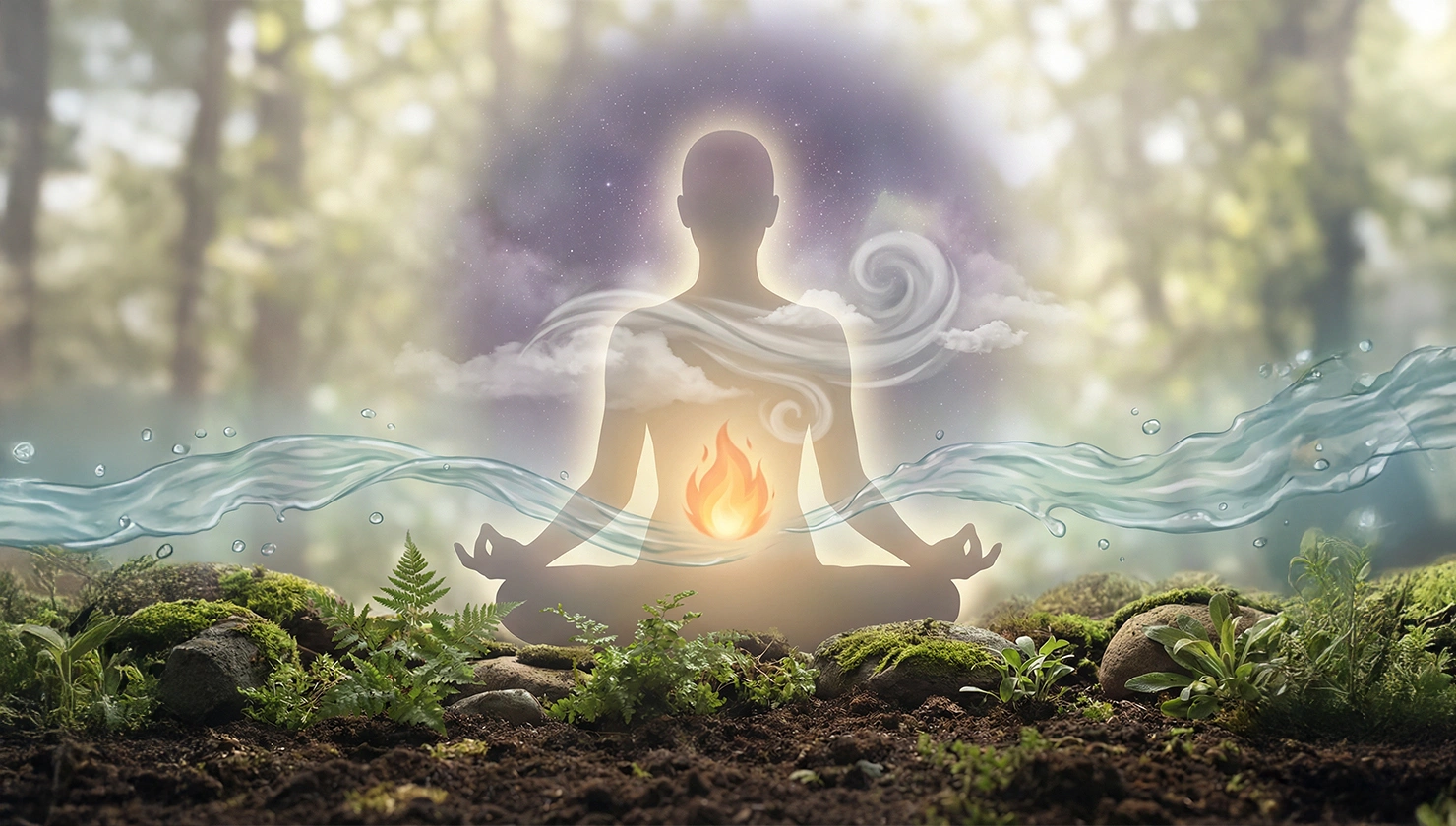
- Pancha Maha Bhutas: The Five Elements in Naturopathy
Naturopathy aligns with the ancient understanding that the human body is a microcosm of nature, composed of five elements:
Prithvi (Earth): Bones, muscles, tissues strengthened through wholesome food and grounding therapies like mud.
Apah (Water): Circulation, purification balanced through hydrotherapy and hydration.
Tejas (Fire): Digestion, metabolism supported by diet therapy, fasting, and movement.
Vayu (Air): Breath, movement, nerve function regulated by yoga, pranayama, and mindful breathing.
Akasha (Ether): Space, consciousness nurtured through meditation, silence, and emotional clarity.
Balancing these elements promotes harmony, vitality, and natural healing.
Natural Therapies and Healing Modalities
Modern naturopathy integrates traditional wisdom with scientific evidence. Treatments are not isolated remedies but part of a comprehensive system designed to restore balance and vitality.
1. Diet therapy often framed as the concept of Food as Medicine recognizes that food intake alone does not guarantee nutrition. From a physiological standpoint, the body is nourished not by what is consumed, but by what is efficiently digested, absorbed, transported, and metabolized. Impairments in gastrointestinal function, enzyme activity, microbiome balance, or gut integrity can significantly reduce nutrient utilization, even when dietary intake appears adequate. Within naturopathic practice, diet therapy uses individualized nutrition strategies to modulate inflammation, support metabolic pathways, correct digestive disturbances, and optimize micronutrient status. Evidence-informed tools such as elimination diets, therapeutic fasting, low-allergen protocols, and targeted nutrient support can help identify sensitivities, improve gut function, and restore biochemical balance. By aligning dietary interventions with the body’s physiological processes, diet therapy positions food as a therapeutic agent capable of influencing cellular repair, immune regulation, and overall health outcomes.
2. Botanical Medicine
Herbal remedies, backed by both traditional use and modern research, play a central role in naturopathy. Plants like turmeric, ashwagandha, ginger, and tulsi have shown strong anti-inflammatory, adaptogenic, and immune-boosting properties. When prescribed by trained practitioners, these remedies can be as effective as pharmaceuticals with fewer side effects.
3. Hydrotherapy and Physical Therapies
Water has long been a healer. Hydrotherapy, including baths, compresses, and steam treatments, can improve circulation, reduce stress, and boost immunity. Complementary physical techniques such as massage, spinal adjustments, and therapeutic exercise help restore musculoskeletal balance and support detoxification.
4. Mind-Body Medicine
The close link between emotional wellbeing and physical health is central to naturopathy. Techniques such as yoga, meditation, deep breathing, and mindfulness are integrated to lower stress, regulate hormones, and enhance immune function. Counseling and guided imagery may also be used to address emotional triggers that contribute to physical illness.
5. Lifestyle and Environmental Medicine
Daily habits are often the deciding factor in long-term health. Naturopaths guide individuals in adopting better sleep hygiene, stress management techniques, and sustainable exercise routines. They also help identify environmental toxins—whether from diet, pollution, or household chemicals—and design detoxification strategies to reduce their impact.
6. Acupuncture
Acupuncture taps into the body’s natural energy pathways, easing chronic pain and tension by stimulating key points with fine needles. In naturopathy, it promotes relaxation, better circulation, and reduced inflammation, helping with issues like backaches, migraines, and joint stiffness. Patients often feel immediate relief as endorphins kick in, restoring balance without harsh side effects.
7. Mud Therapy
Mud therapy harnesses the earth’s cooling minerals, drawing out toxins through moist clay packs applied to the skin. It soothes inflamed joints, improves skin health, and calms conditions like arthritis or rheumatism by lowering body heat and enhancing detoxification. The gentle, grounding process leaves you refreshed, with smoother mobility and a sense of deep renewal.
8. Iris Diagnosis
Iridology also known as Iris Diagnosis, examines the iris patterns, colors, and markings potential health tendencies and constitutional strengths. Practitioners maps iris zones to body organs using detailed charts viewing it as complementary tool for holistic wellness, Iridology posits that iris marking reflect tissue conditions, inflammation, or weakness in corresponding body areas. Key iris features assessed include fiber structure and density, lacunae, crypts, pigment spots, color variations, contraction rings, and vascular markings. These indicators help practitioners evaluate vitality, organ reflex zones, nervous system response, digestive efficiency, and elimination capacity.
9. Ozone Therapy
Ozone therapy introduces medical grade (O2-O3 mixture) into body to enhance oxygenation, modulate immunity, and combat oxidative stress. Ozone therapy facilitates in relief of pain, cellular rejuvenation, anti-aging, improves tissue oxygenation, anti-inflammation, improves circulation.
What Conditions Can Naturopathy Address?
Naturopathy shines in managing chronic conditions that develop gradually and are often poorly addressed by conventional symptom-based treatments. Some key areas include:
- Digestive Health: Conditions like irritable bowel syndrome, chronic acidity, food sensitivities, and gut inflammation often respond dramatically to natural dietary changes, probiotics, and herbal support.
- Hormonal Imbalances: Menstrual irregularities, menopause symptoms, thyroid dysfunction, and adrenal fatigue can be stabilized through nutrition, stress management, and plant-based remedies.
- Mental Health: Anxiety, depression, and stress-related illnesses benefit from a holistic combination of diet, herbal support, mindfulness practices, and lifestyle adjustments.
- Autoimmune Conditions: While incurable in most cases, disorders such as rheumatoid arthritis or lupus can be managed through anti-inflammatory diets, immune-modulating herbs, and stress reduction.
- Pain Management: Chronic pain, whether from arthritis, fibromyalgia, or musculoskeletal strain, can improve through natural anti-inflammatories, hydrotherapy, and physical therapies that address root causes.
Why Naturopathy Matters Today
As chronic lifestyle-related illnesses like diabetes, hypertension, and obesity continue to rise, the relevance of naturopathy becomes even clearer. Modern healthcare often excels in acute and emergency care but struggles to offer sustainable solutions for long-term health conditions. Naturopathy fills this gap by focusing on prevention, root cause management, and patient empowerment.
At our wellness center, we believe in the transformative power of naturopathy and natural healing. We are proud to have a team of qualified naturopathy practitioners who bring both traditional wisdom and modern scientific understanding into their practice. Whether you are looking to manage a chronic illness, prevent disease, or simply enhance your overall wellbeing, our experts can guide you with personalized consultations and holistic treatment plans. We invite you to connect with us to begin your journey towards natural, sustainable health.
References:
- Estruch R, Ros E, Salas-Salvadó J, et al. Primary prevention of cardiovascular disease with a Mediterranean diet supplemented with extra-virgin olive oil or nuts. N Engl J Med. 2018;378(25):e34. doi:10.1056/NEJMoa1800389.
- Bhatt DL, Steg PG, Miller M, et al. Cardiovascular risk reduction with icosapent ethyl for hypertriglyceridemia. N Engl J Med. 2019;380(1):11-22. doi:10.1056/NEJMoa1812792.
- Goyal M, Singh S, Sibinga EMS, et al. Meditation programs for psychological stress and well-being: a systematic review and meta-analysis. JAMA Intern Med. 2014;174(3):357-368. doi:10.1001/jamainternmed.2013.13018.
- Vickers AJ, Vertosick EA, Lewith G, et al. Acupuncture for chronic pain: update of an individual patient data meta-analysis. J Pain. 2018;19(5):455-474. doi:10.1016/j.jpain.2017.11.005.
- Goodoory VC, Khasawneh M, Black CJ, Quigley EMM, Moayyedi P, Ford AC. Efficacy of probiotics in irritable bowel syndrome: systematic review and meta-analysis. Gastroenterology. 2023;165(5):1206-1218. doi:10.1053/j.gastro.2023.07.018.
- Sherman KJ, Cherkin DC, Wellman RD, et al. A randomized trial comparing yoga, stretching, and a self-care book for chronic low back pain. Arch Intern Med. 2011;171(22):2019-2026. doi:10.1001/archinternmed.2011.524.
Book a Consultation
It’s easy and free!