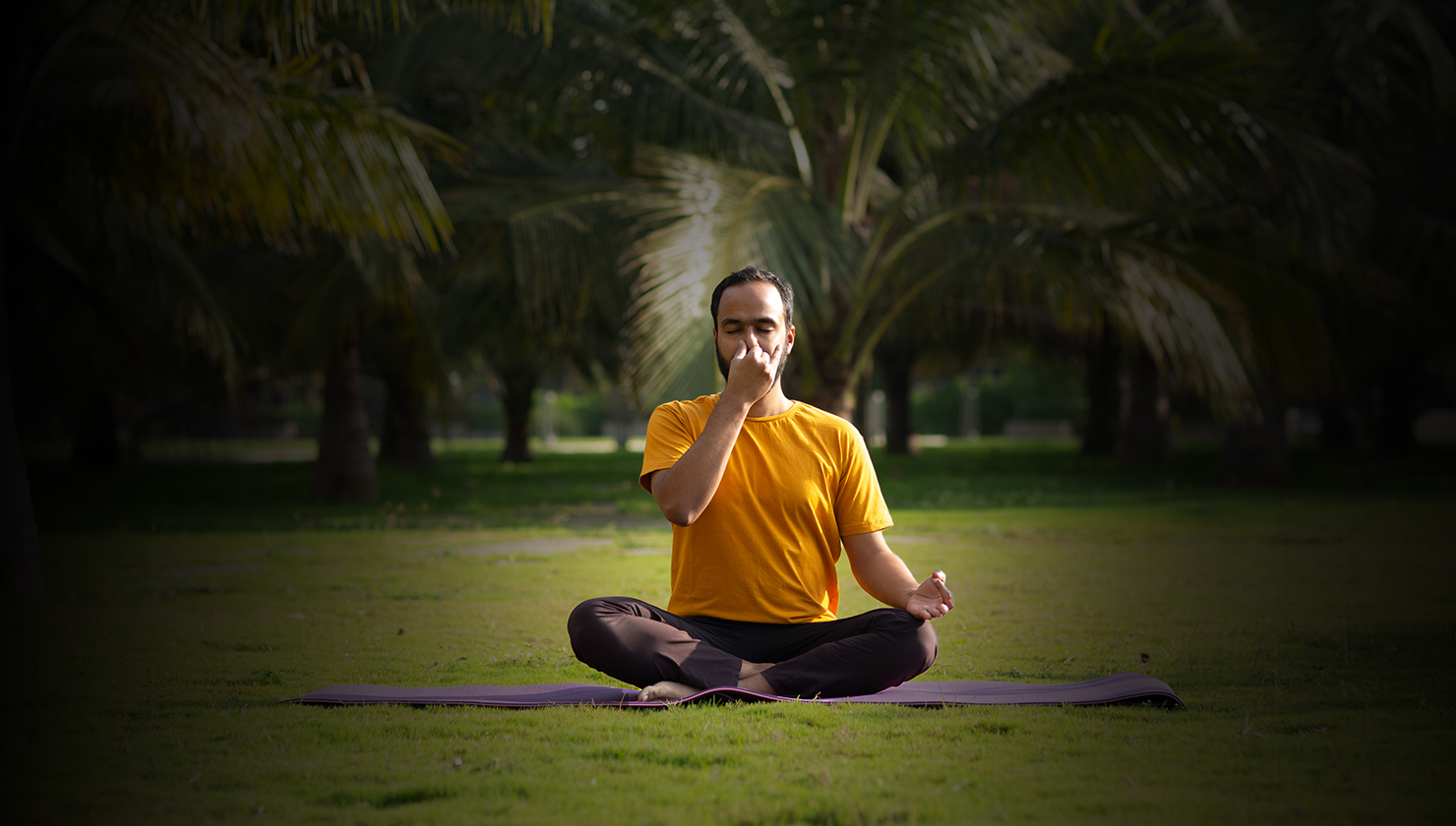

Sometimes life feels heavy and the first thing we want is to steady ourselves. For many of us it’s not just about exercise but finding calm and comfort in the midst of stress. That’s where therapeutic yoga comes in. It’s not fast or flashy, it’s slow, mindful and deeply supportive. Over the last few years, more people have turned to it not only for pain relief but for building trust in their bodies again. Unlike a typical yoga class that pushes strength or flow, therapeutic yoga adjusts to you. It’s about what you need, whether that’s managing stress, working with old injuries or just learning to move with confidence.
What is Therapeutic Yoga
Walk into a regular yoga class and you’ll see rows of people moving through the same postures, some working on balance, others stretching deeper, everyone trying to keep up with the flow. It’s a great setup if your body feels good and you’re there for general fitness. But if you have a bad knee, long term pain or even just overwhelming stress, that kind of practice can feel out of reach. That’s really the difference between yoga and therapeutic yoga. Therapeutic yoga slows everything down. It takes the pieces of classical yoga, breathwork, meditation, gentle movements, supported poses, and tailors them for one person at a time. It’s not about folding into perfect shapes. It’s about comfort, safety and progress that feels realistic. You could think of it as a meeting ground between physical therapy and yoga philosophy where the body and mind both get the attention they deserve.
The Physical Side: Relief
When people talk about therapeutic yoga benefits, pain relief always comes up. It’s not a quick fix but the movements are designed to ease stiffness and build strength where it’s needed. A classic example: someone with lower back pain. Gentle stretches soften tight muscles, simple strengthening postures support the spine. Over time mobility improves without overexertion. There’s also research on therapeutic yoga for chronic pain, arthritis, fibromyalgia, migraines. Part of the benefit comes from improved circulation and the way slow mindful practice calms the nervous system. Part of it is indirect: when sleep improves the body has a chance to heal. Most importantly this style of yoga changes the mindset. Instead of forcing the body into shapes or “pushing through” the practice invites listening. It teaches patience with healing and respect for limits, qualities that matter more than the posture itself.
Emotional and Mental Well-being
Beyond the physical, therapeutic yoga nourishes the mind and emotions. Stress, anxiety and depression show up in the body as tight muscles, shallow breathing or poor posture. Through guided breathing, mindfulness and restorative postures, we learn to release emotional tension. This is one of the biggest therapeutic yoga benefits because it creates space for clarity and calmness. When people commit to yoga for physical and emotional health they often find that their reactions to life situations start to change. The practice grounds and stabilises the emotions. A 20 minute daily practice can reduce cortisol, boost mood and help you cultivate inner resilience. Over time therapeutic yoga teaches you the art of self regulation, a skill that translates into daily life.
The Holistic Approach
What really sets therapeutic yoga apart is how it all ties together. People call it holistic yoga therapy because it’s not just about stretching muscles or holding poses. It’s movement combined with other parts of daily life, like mindful breathing, relaxation, even paying attention to how you eat or how you process emotions. A session might include gentle postures, guided rest or even journaling prompts to encourage self reflection. Nothing is isolated; the body and mind are seen as one interconnected system, each influencing the other. This approach also gives power back to the people. Instead of relying on external treatments, therapeutic yoga gives you tools you can take into daily life. Maybe it’s a simple breathing exercise before a stressful meeting or a posture that eases tight shoulders after sitting at a desk too long. Over time these practices stop feeling like “exercises” and become steady companions on the path to wellness.
Real-Life Applications
Many people come to therapeutic yoga after traditional fitness classes leave them feeling overwhelmed or even injured. For someone with a recent surgery, fibromyalgia or trauma, jumping into a hot vinyasa class might not be suitable. In contrast yoga classes for holistic wellness based on therapeutic principles are inclusive. The teacher assesses each student’s condition and creates practices that feel safe and effective. For example, a student with chronic fatigue might start with restorative poses supported by props to encourage deep rest. Someone grieving might be guided through breathwork and meditations to process emotions. The adaptability of therapeutic yoga makes it good for seniors, athletes recovering from injury, office workers with posture strain and anyone dealing with stress.
The Science Behind Therapeutic Yoga
Science is finally catching up to what we’ve known for centuries. Research shows that therapeutic yoga affects the parasympathetic nervous system, also known as the “rest and digest” response. This state lowers heart rate, blood pressure and supports digestion and immune function. For people with long term health conditions, this can be life changing. Yoga for physical and emotional health has been shown to increase resilience against depression relapse, reduce anxiety symptoms and regulate blood sugar in diabetes. Unlike quick fixes, therapeutic yoga builds gradual, long term changes that flow through all of life.
Therapeutic Yoga at Wellness by Heartfulness
At Wellness by Heartfulness we see therapeutic yoga as more than exercise, it’s a gentle path to healing and balance. Each session is tailored to individual needs, breath, mindful movement and relaxation. Whether you’re living with chronic pain, recovering from stress or just wanting more energy our approach supports body and mind. With guidance from Heartfulness meditation and holistic care therapeutic yoga becomes a steady companion for building strength, improving posture and inner calm. Many of our students notice not just physical relief but a brighter more centred way of living.
Final Thoughts
At its heart, therapeutic yoga is about balance, between strength and softness, action and rest, body and mind. It’s not about mastering tricky poses or keeping up with a class. It’s about getting to know yourself and honouring what you need on any given day. Through holistic yoga therapy people find practices that spill into every area of life. The therapeutic yoga benefits go way beyond the mat: better stress management, more physical comfort and emotional stability. If you’ve ever felt out of place in traditional yoga or overwhelmed by the pressure to perform, this might be the answer. Therapeutic yoga doesn’t just stretch the body, it stretches how we meet life’s challenges.
FAQs
Q1. What are the key benefits of therapeutic yoga for chronic pain and stress?
It eases the muscles, calms the mind, reduces stress, improves sleep, builds gentle strength and teaches you to breathe through discomfort.
Q2. How is therapeutic yoga different from regular yoga classes?
Regular yoga is all about flow and flexibility. Therapeutic yoga slows it down, adapts the postures, adds breathing and focuses more on healing.
Q3. Can holistic yoga therapy help with emotional well-being and balance?
Yes. It encourages mindfulness, gentle movement, steady breath and reflection. Together these create emotional stability, resilience, inner calm and balance.
Q4. Where can I find therapeutic yoga classes for physical and emotional health?
Check local wellness studios, hospitals or community centers. Many also offer online therapeutic yoga sessions so you can do them anywhere.